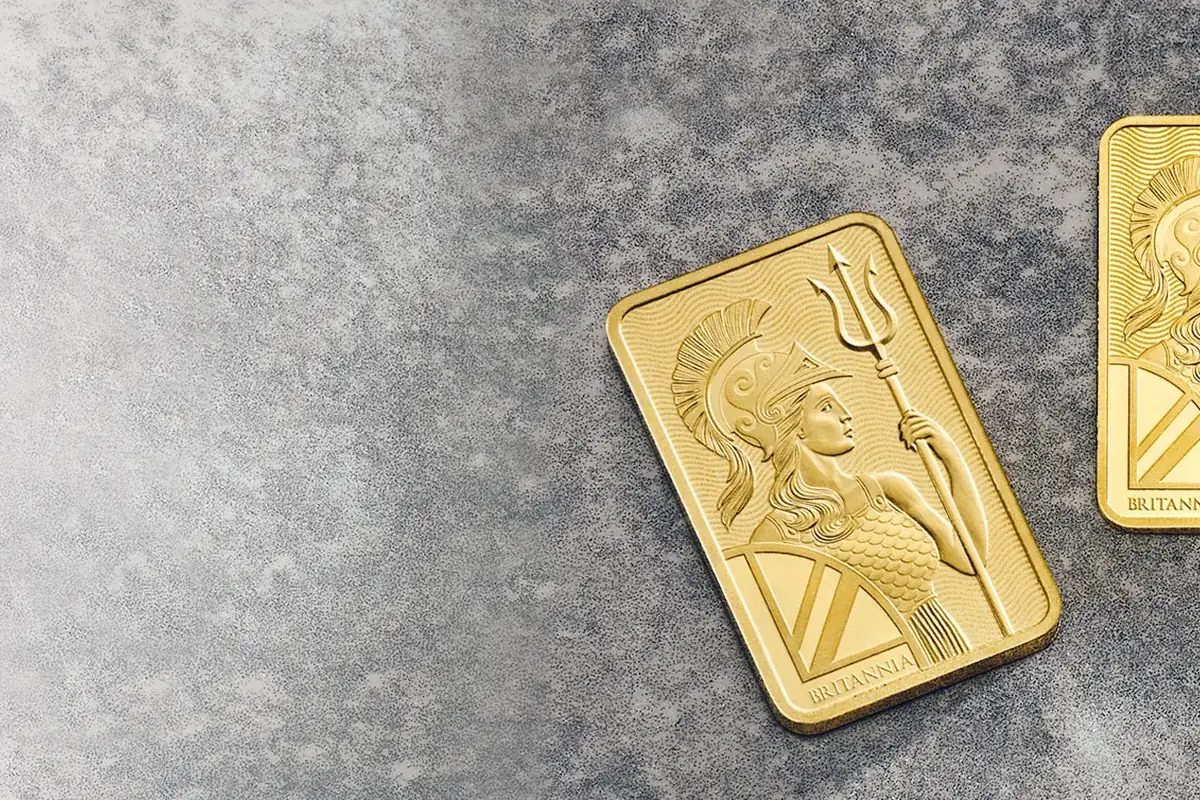
Gold price
Why gold is measured in troy ounces
A troy ounce is about 10% heavier than the ounce in your kitchen. Confusing the two overstates a holding by roughly a tenth.
Gold · GBP spot, per troy ounce
£2,705.042.36% down −£65.37 since the previous close
per troy ounce
Gold · USD spot, per troy ounce
$3,550.292.36% down −$85.80 since the previous close
per troy ounce
Gold · EUR spot, per troy ounce
€3,230.482.36% down −€78.07 since the previous close
per troy ounce


Sunday, 22 November 2026London spot market
Explainers
Mechanisms rather than opinions. These pieces explain the forces that set the price, including the ones that get repeated wrongly.
What the gold price did, and the arithmetic behind the move — including how much of it was the metal and how much was the pound.
Gold set against equities, bonds and the dollar. Where the correlations hold, and the times they have broken.
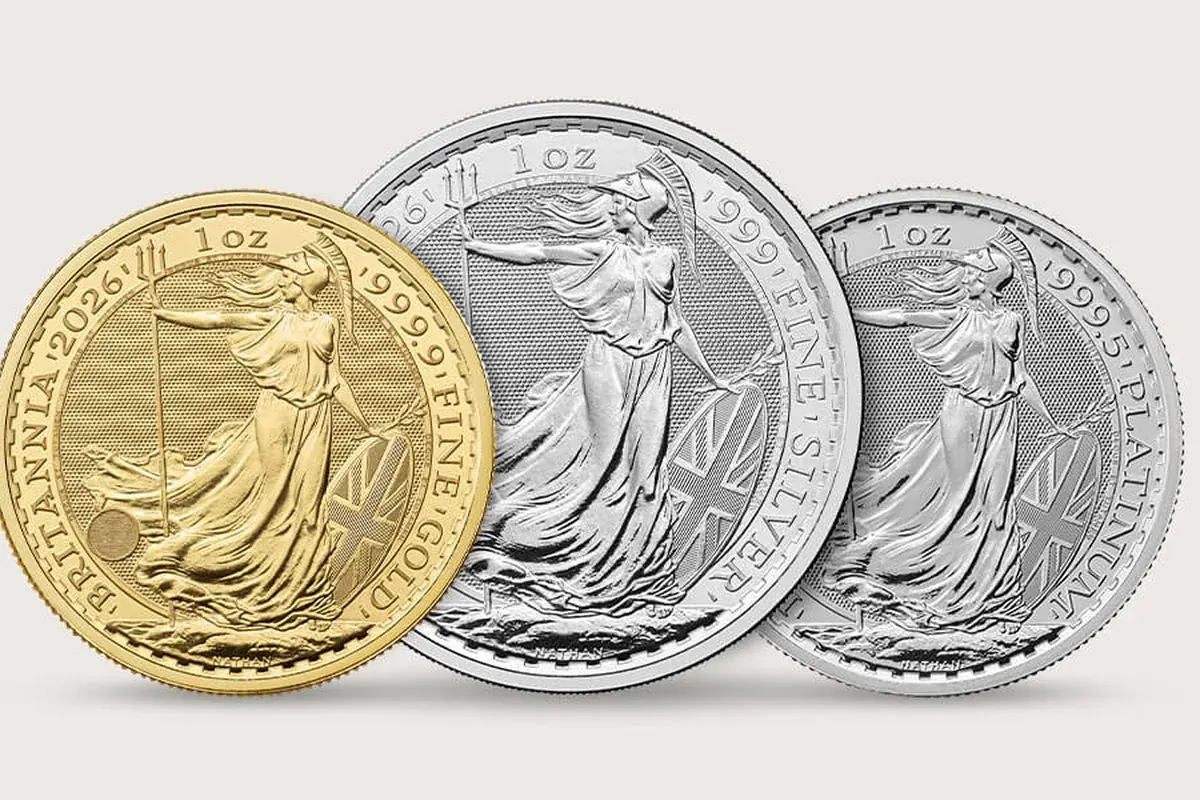
One of the oldest numbers in the market, and one of the most over-interpreted. Here is what it is and what it will not do.
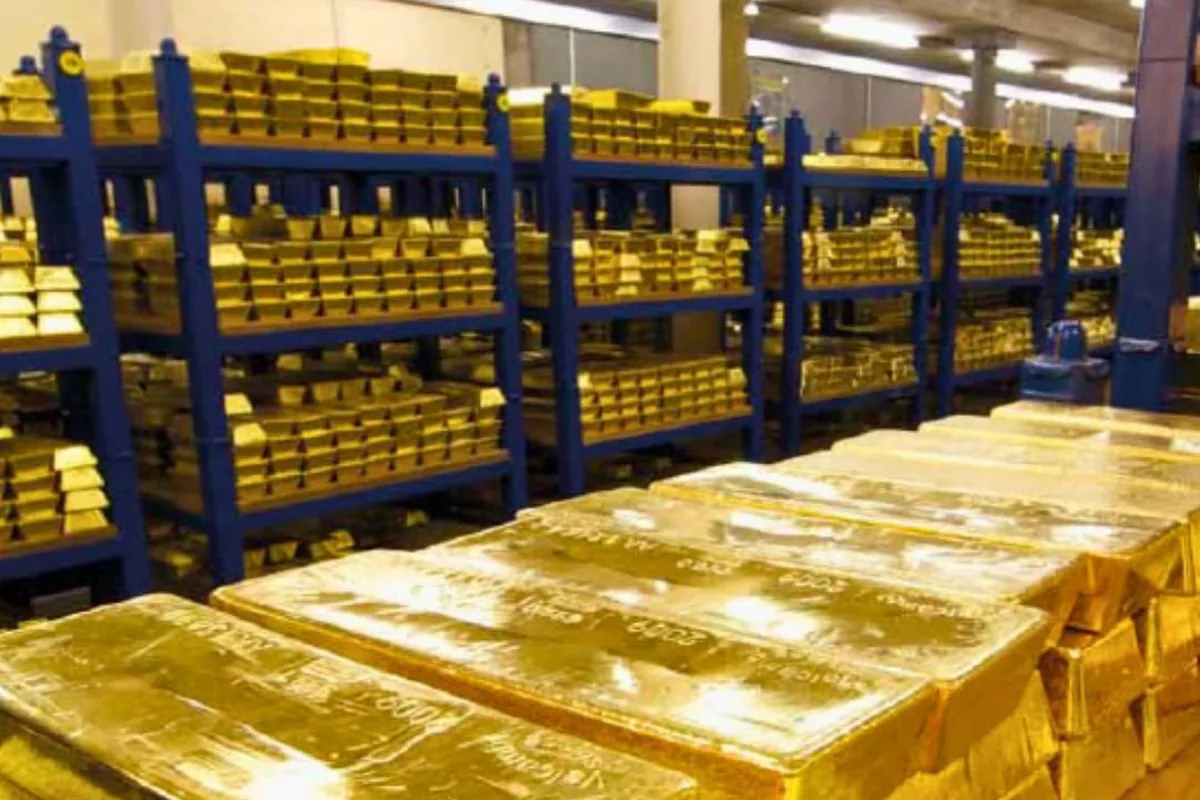
Nobody sets it. It is discovered continuously in an over-the-counter market, and twice a day it is fixed in an auction so the rest of the industry has something to settle against.
Central banks lend gold, and the rate they get is one of the few genuine yields in this market. It also used to be published, and is no longer.

Most of the world’s gold price discovery happens in a contract for metal that will not be delivered. Here is how it relates to spot.
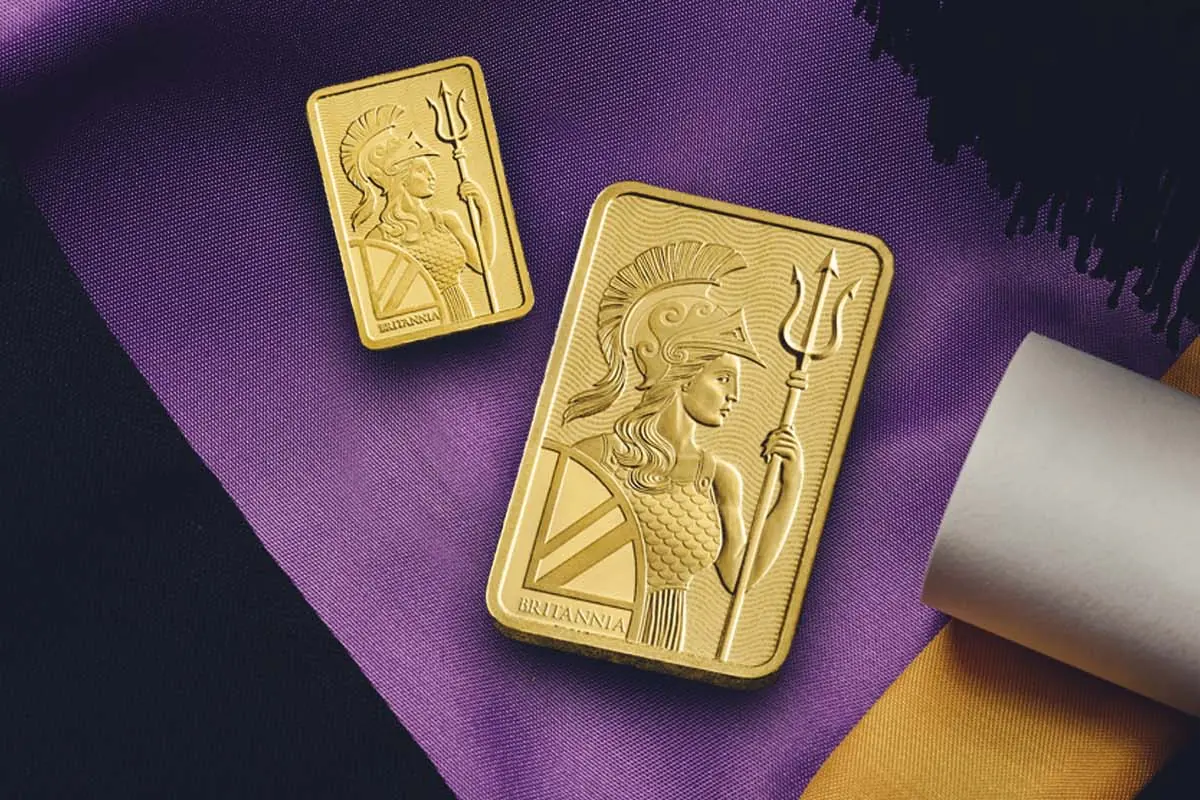
Most of the world’s gold changes hands over the counter, settled in London vaults, in accounts denominated in metal. "Loco London" is the phrase, and it explains the plumbing.
Two of these are industrial metals that happen to be precious. Only one of them is held as a monetary asset.
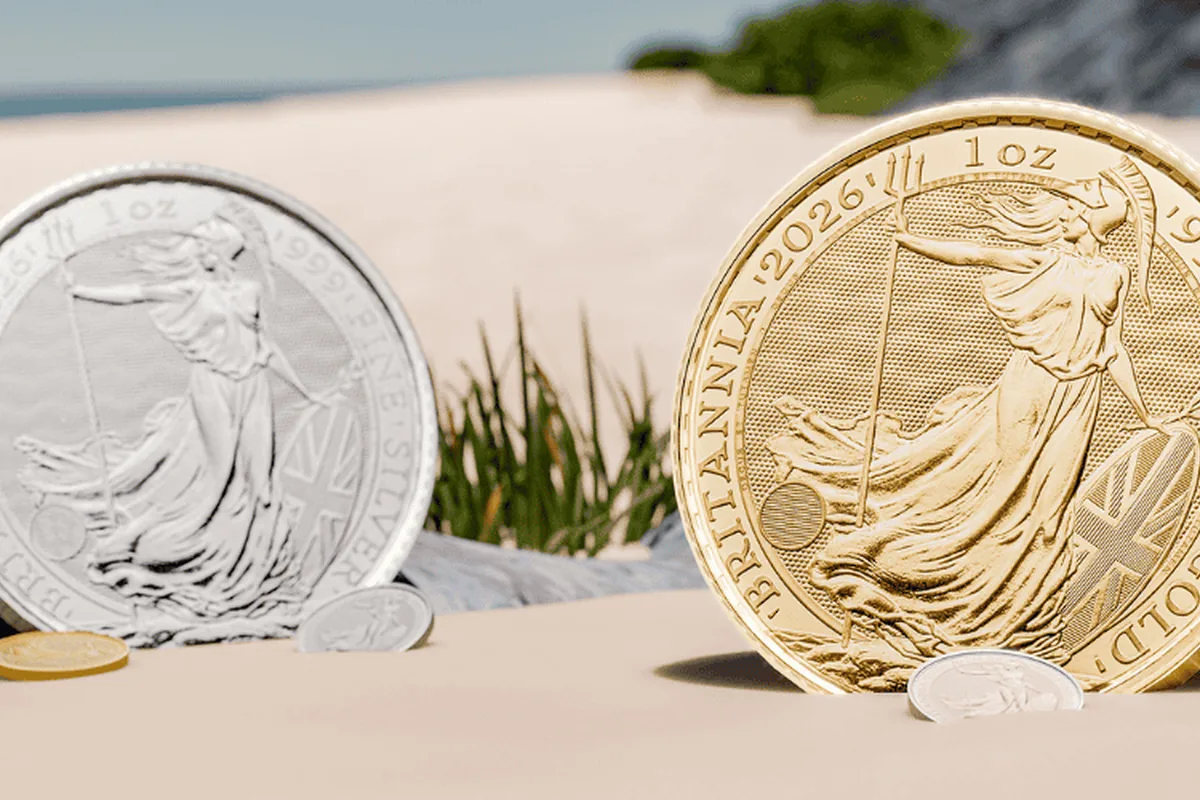
Silver is more volatile, more industrial, bulkier to store — and in the UK it carries VAT. That last point does most of the damage.
Gold’s correlation with equities is low on average and unstable when you need it most. Both halves of that sentence matter.

Gold has risen in some recessions and fallen in others. What decides it is not the recession — it is what happens to real rates.
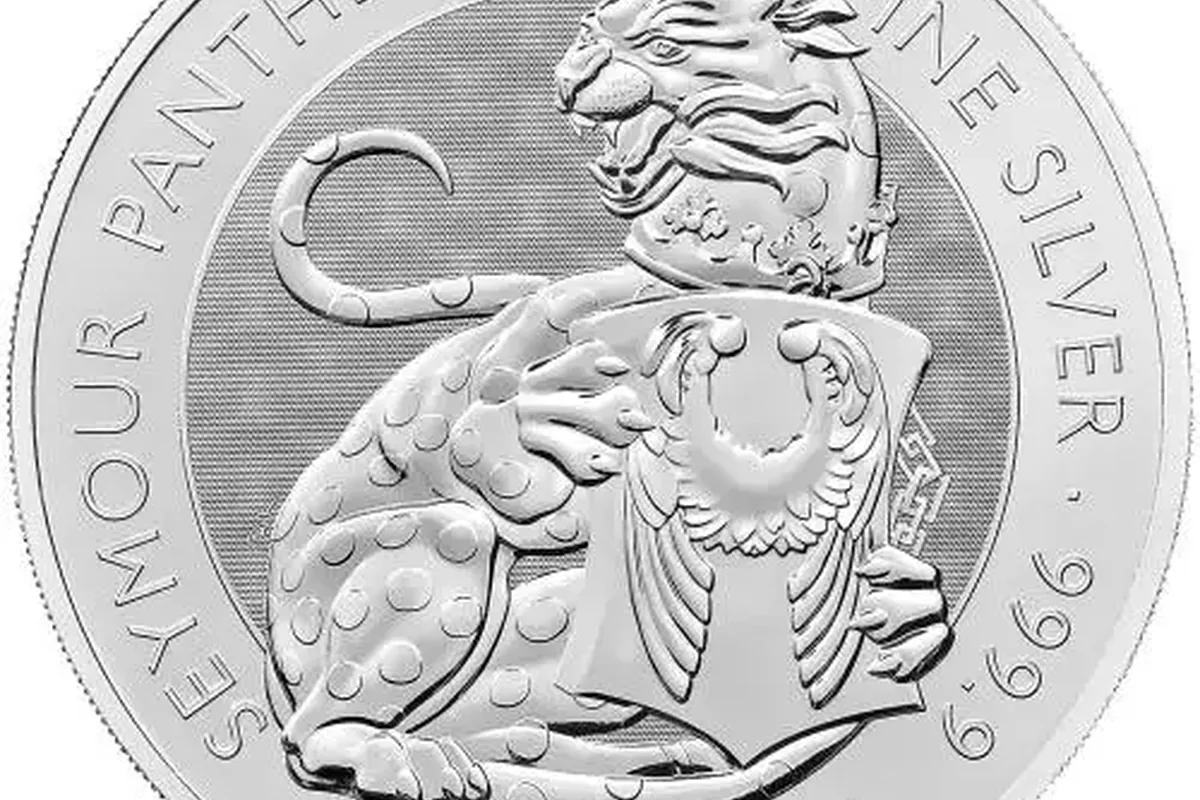
Silver bullion carries VAT in the UK. Everything else about buying silver coins is secondary to that one fact.
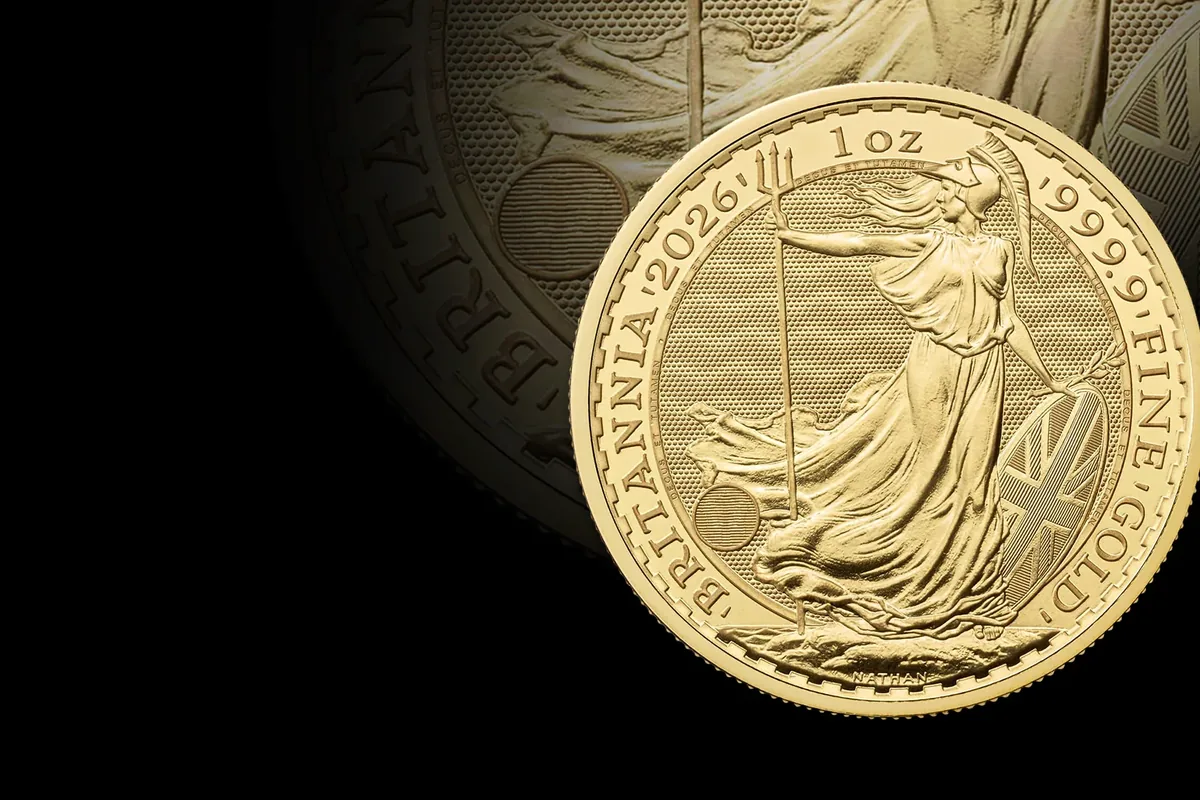
Four forces set the price of gold, and they do not carry equal weight. Here is what each one does, in the order it matters.
Official-sector reserve buying and selling — the slowest and currently the most consequential source of gold demand.
Official-sector holdings are the slowest-moving and least price-sensitive demand in the market. Here is how they are reported, and why the data lags.
For a quarter of a century the dollar was convertible into gold at thirty-five dollars an ounce. On 15 August 1971 that stopped, and the modern gold price began.
Britain fixed the pound to gold for most of a century, left in 1931, and the world’s last link between money and metal was cut in 1971.
Policy decisions, rate expectations and real yields: the mechanism that moves gold more reliably than anything else.
What the data actually shows about gold as an inflation hedge, over months and over decades.
Why a sterling gold price and a dollar gold price can move in opposite directions on the same day.
Jewellery, bars and coins, ETFs, recycling and mine output. The physical market underneath the price.
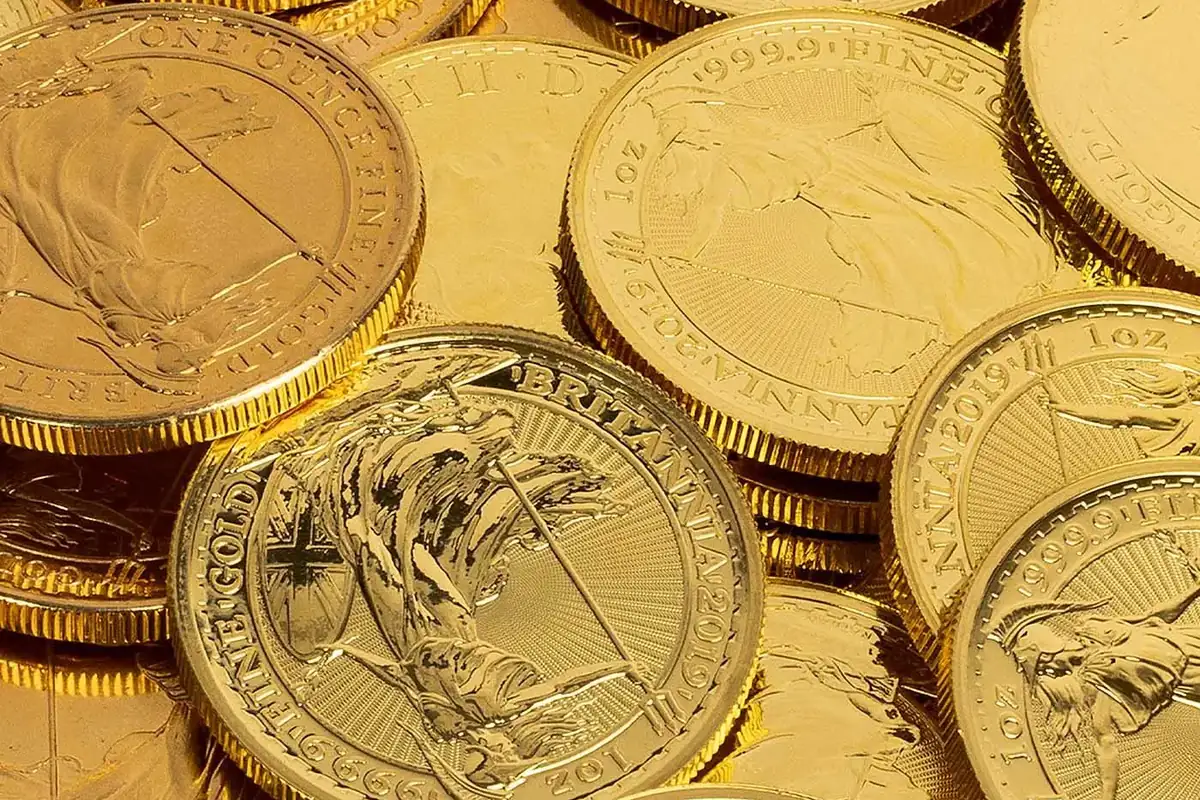
Four buyers, and only two of them look at the price before deciding. That split explains more about gold than any chart.
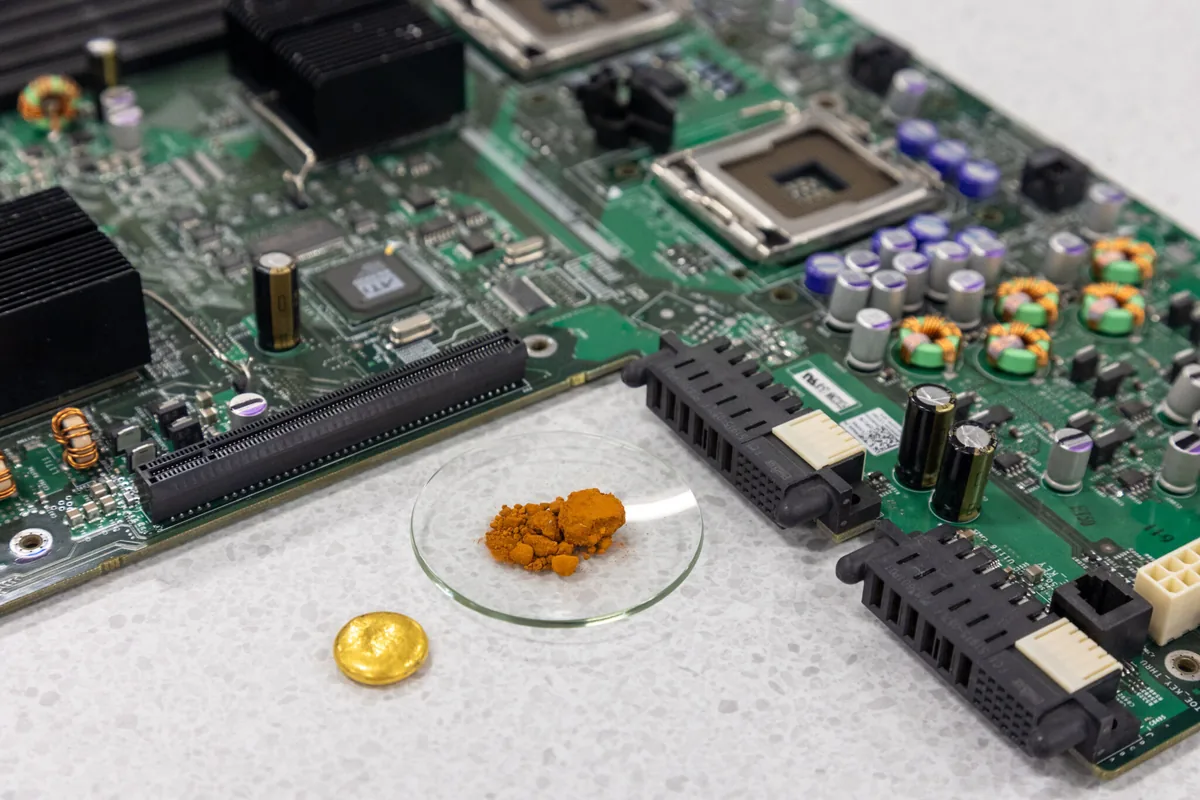
Two sources, and they behave in opposite ways. Mine output barely responds to price. Recycling responds to it immediately.
Production costs, grades and the long lead times that make mine supply almost unresponsive to price.
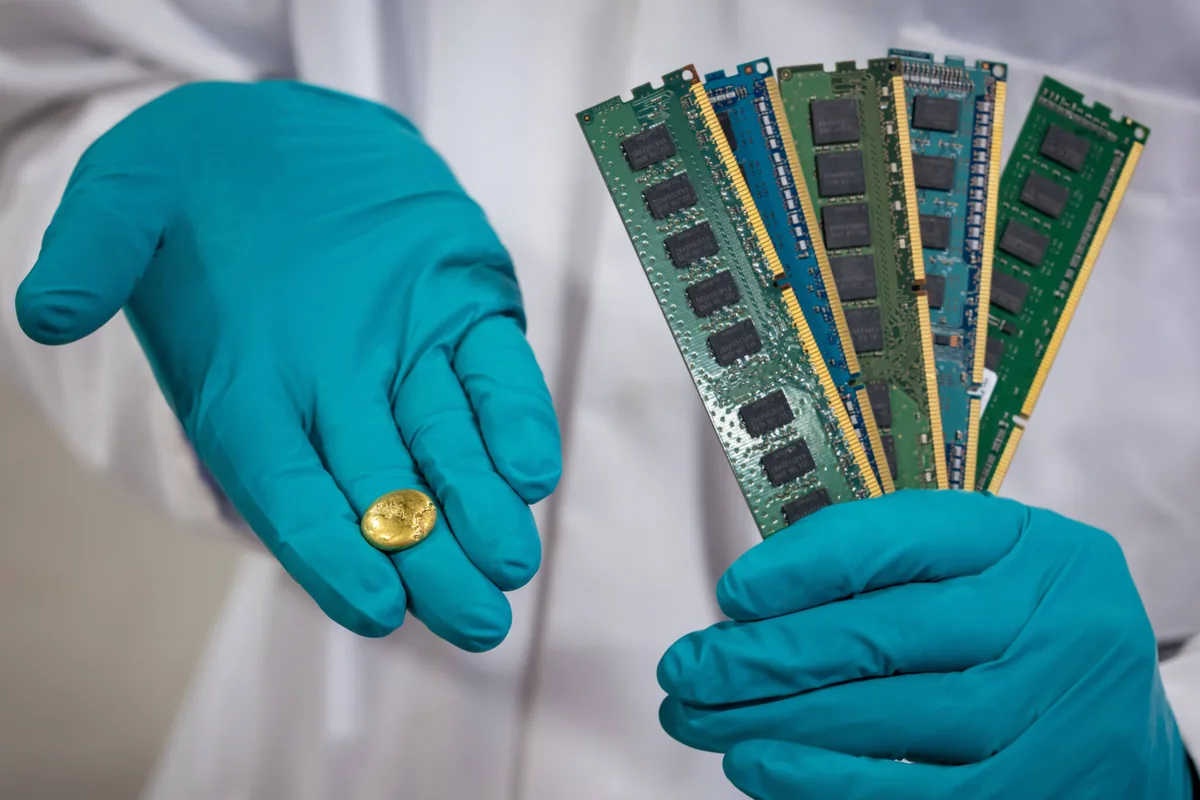
Mined gold arrives at a refinery as a rough alloy. Getting it to 999.9 takes two well-established chemical processes and explains why scrap pays less than spot.
A miner’s profits are leveraged to the gold price, which cuts both ways — and brings a dozen risks the metal does not have.
Premiums, spreads, VAT and capital gains treatment on physical gold in the UK.
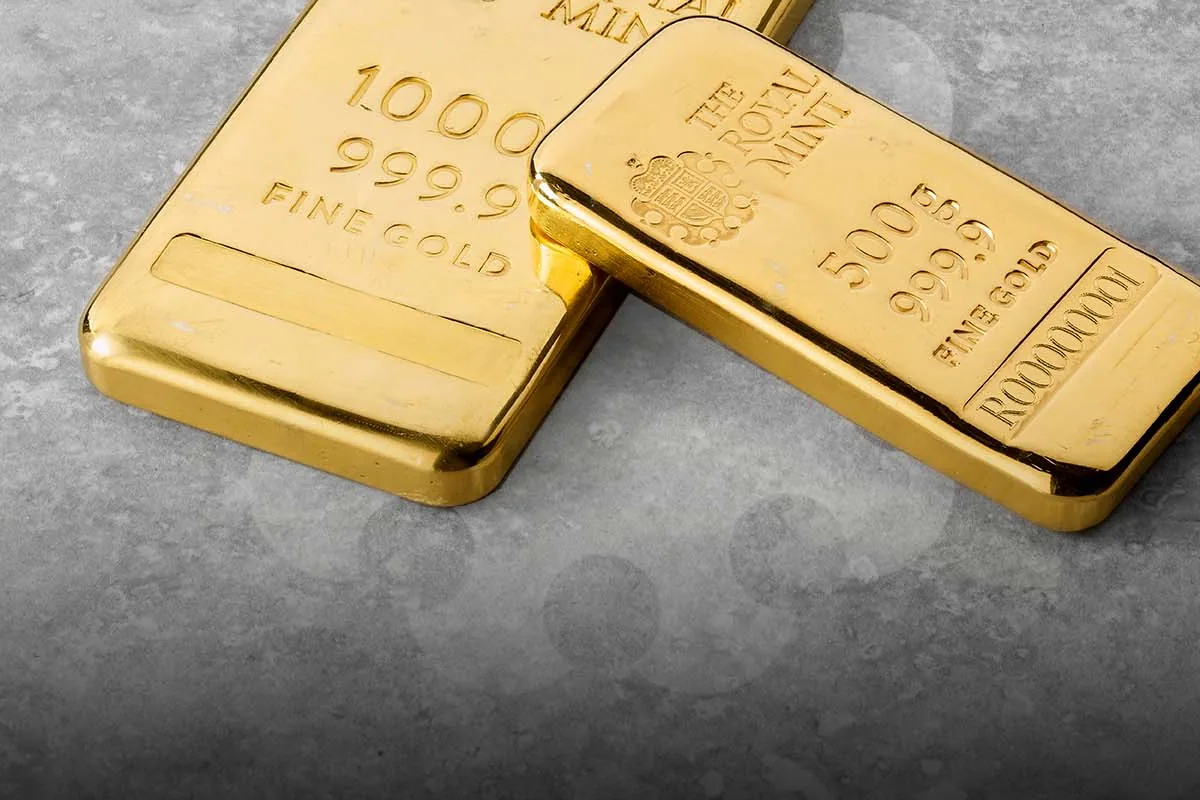
Bars are usually the cheaper way to hold a given weight. Coins are usually the easier way to sell part of it, and in the UK the tax treatment is not the same.
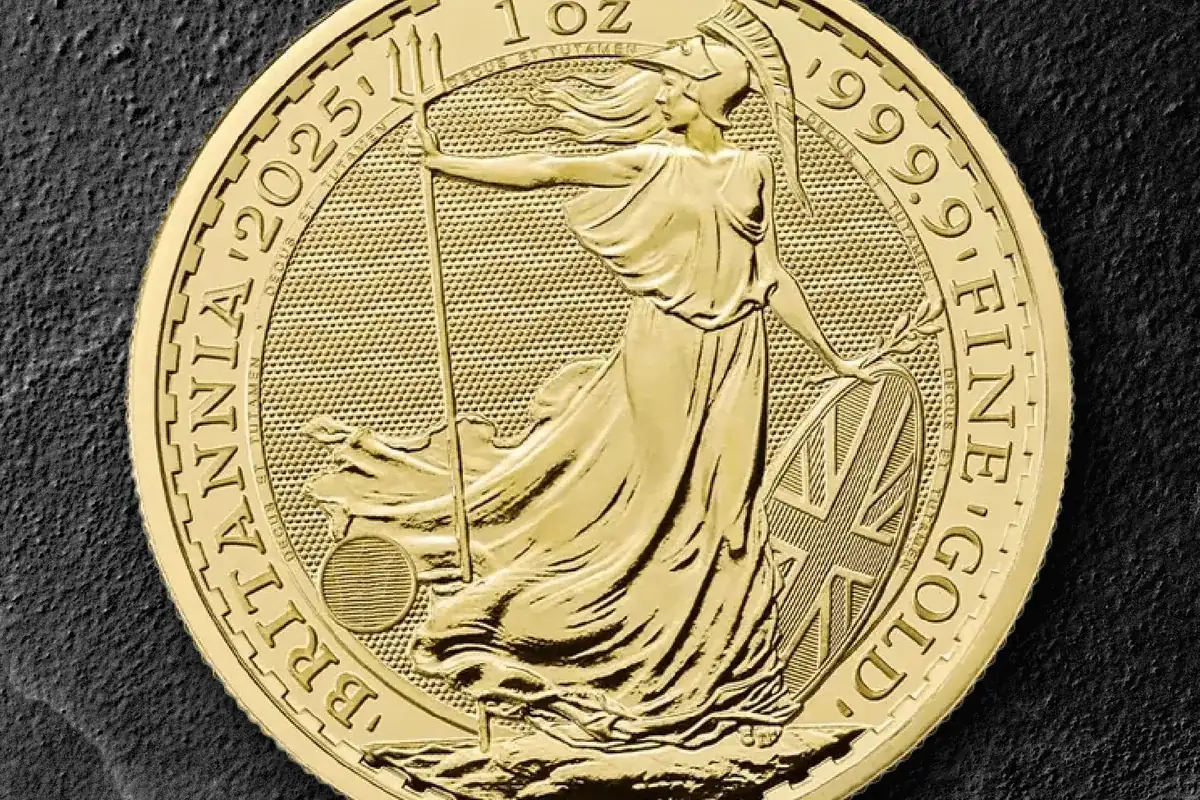
Two British bullion coins, both legal tender, both capital-gains exempt for UK residents. The differences are size, fineness and premium.
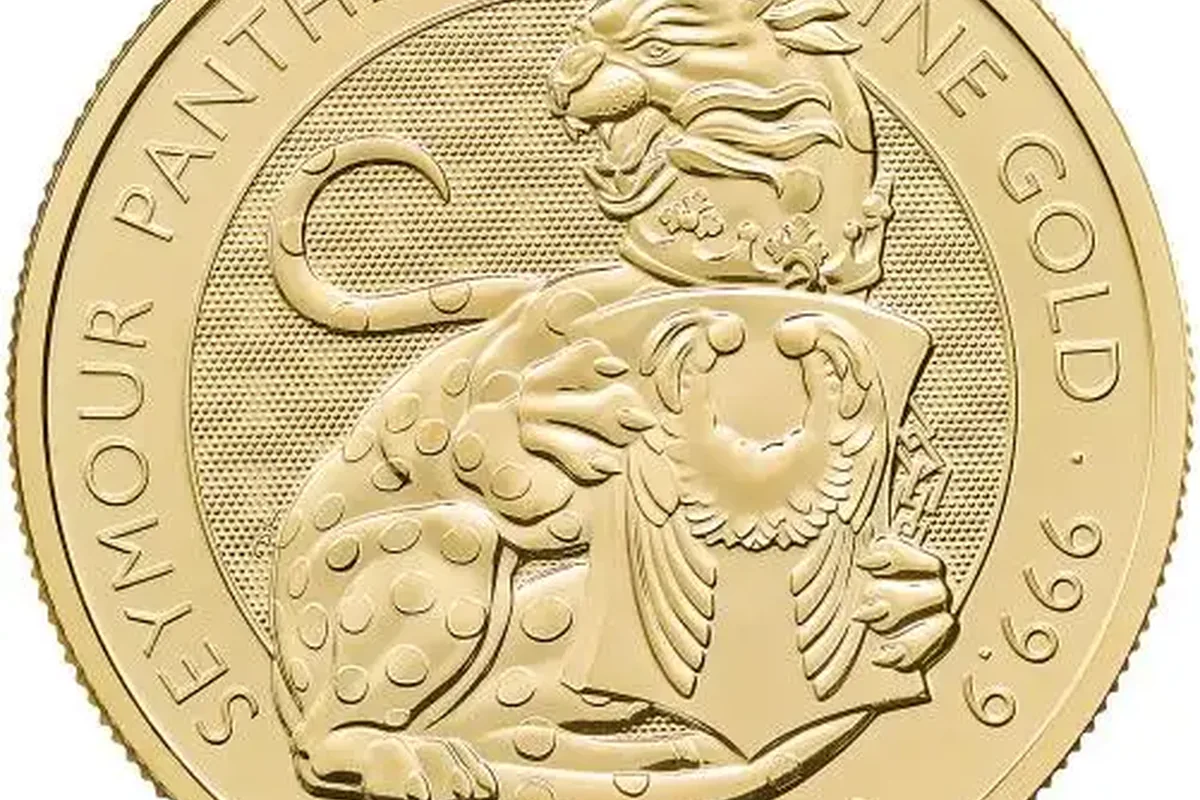
Themed releases in limited mintages, sold at bullion-adjacent prices. Sometimes they hold the premium. Usually the series has to finish first.
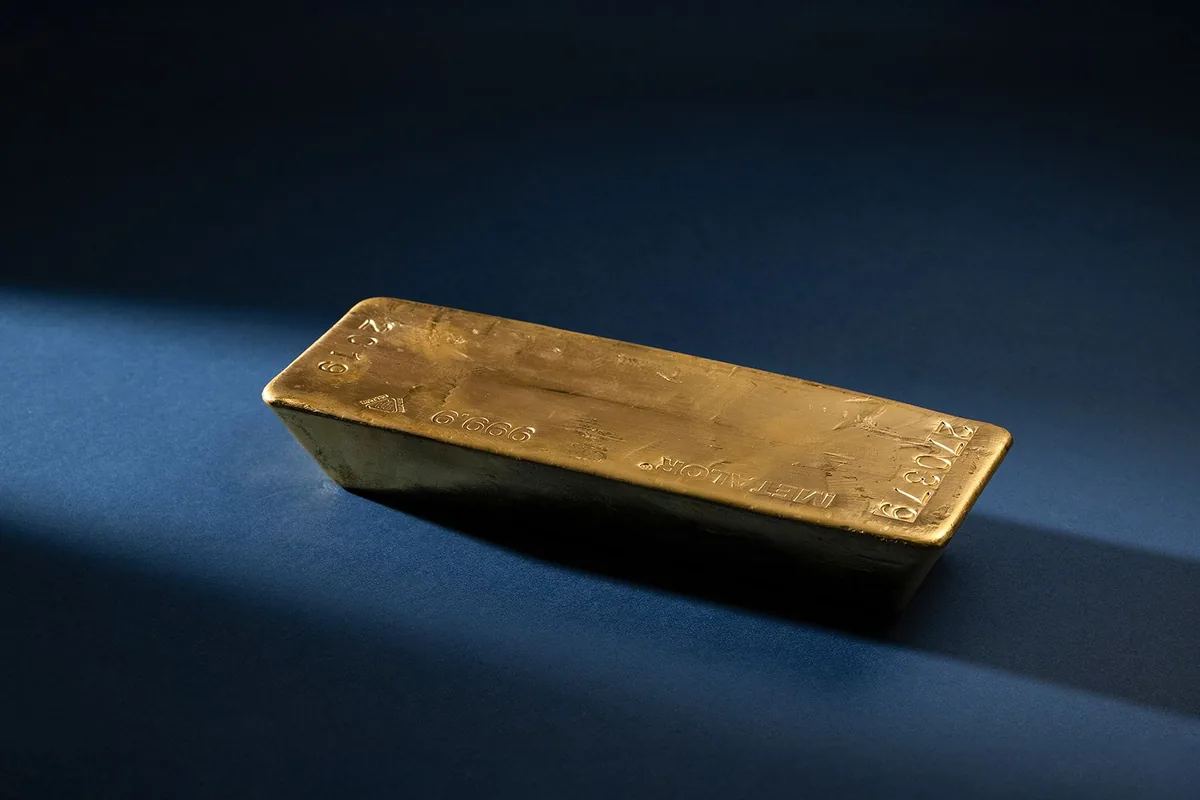
The standard behind the wholesale gold price is a specification for a 400-ounce bar — and most of it is about trust, not metal.
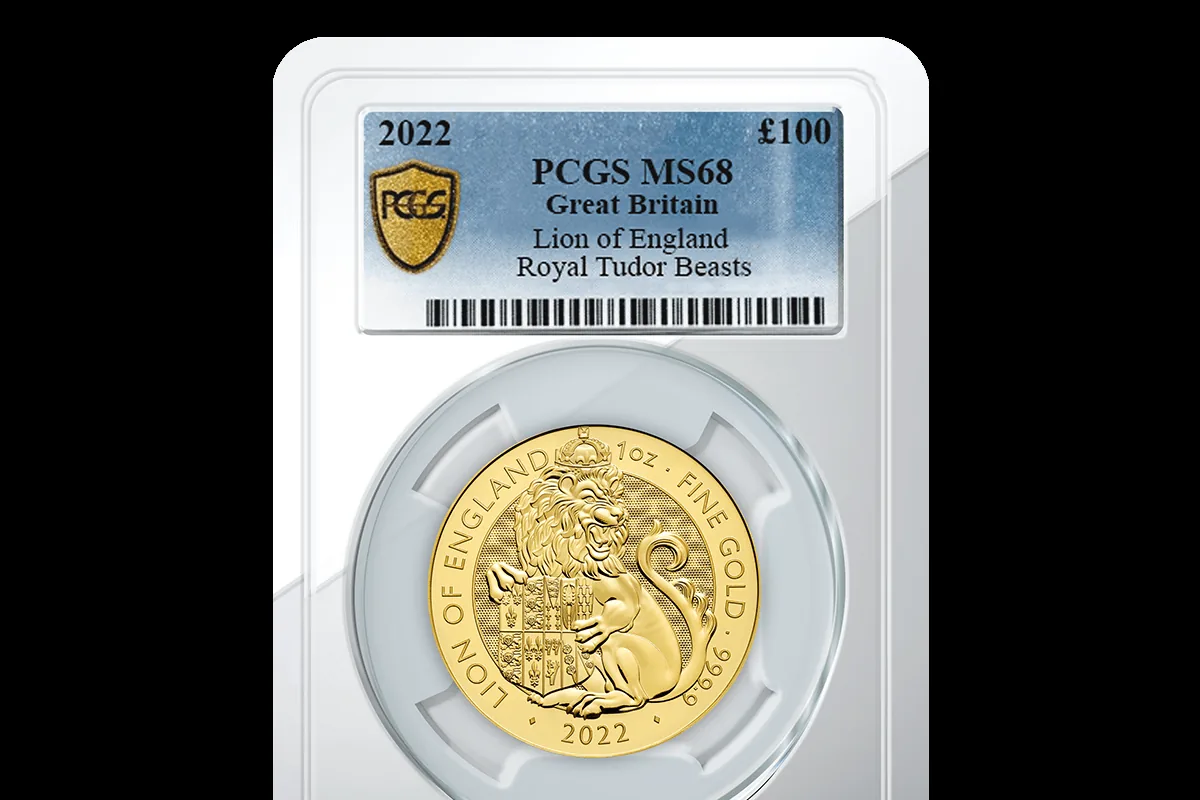
A number out of 70, assigned by a third party and sealed in a holder. What it measures, what it adds, and when it is worth paying for.
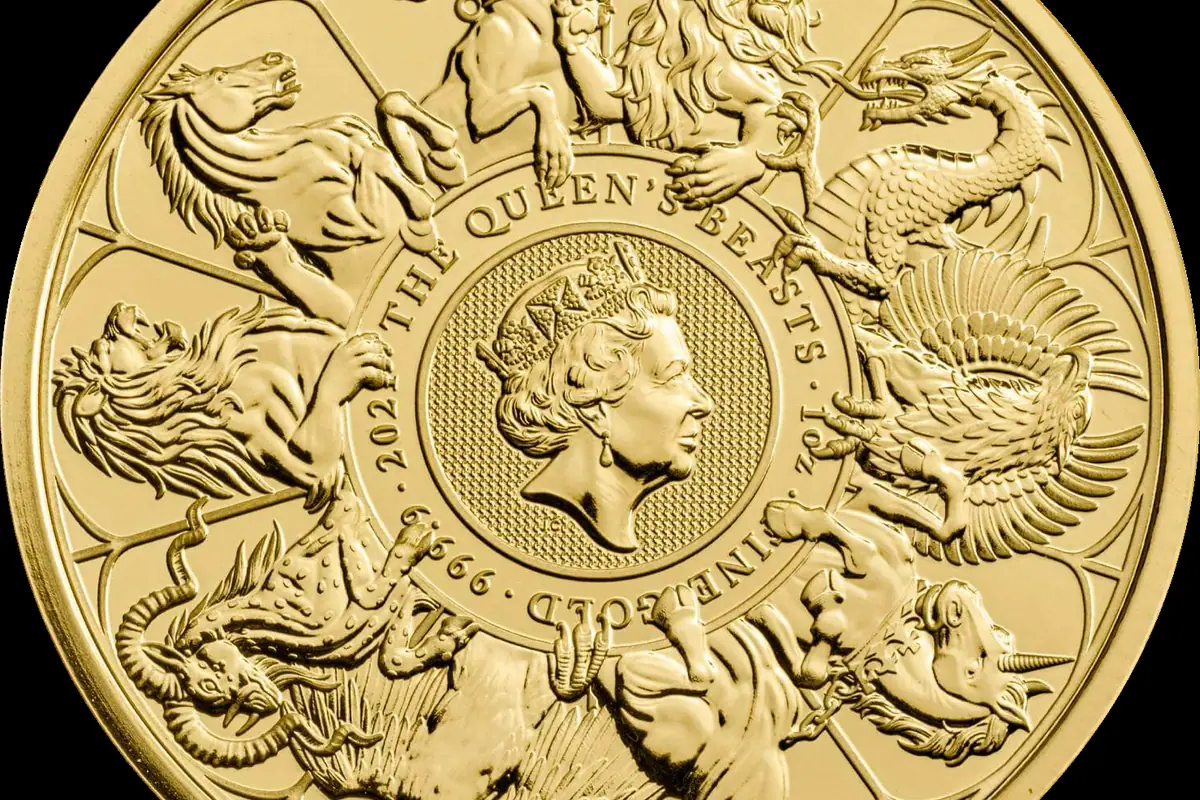
The same coin, struck two different ways, sold at two very different prices. Only one of them is a bet on the gold price.
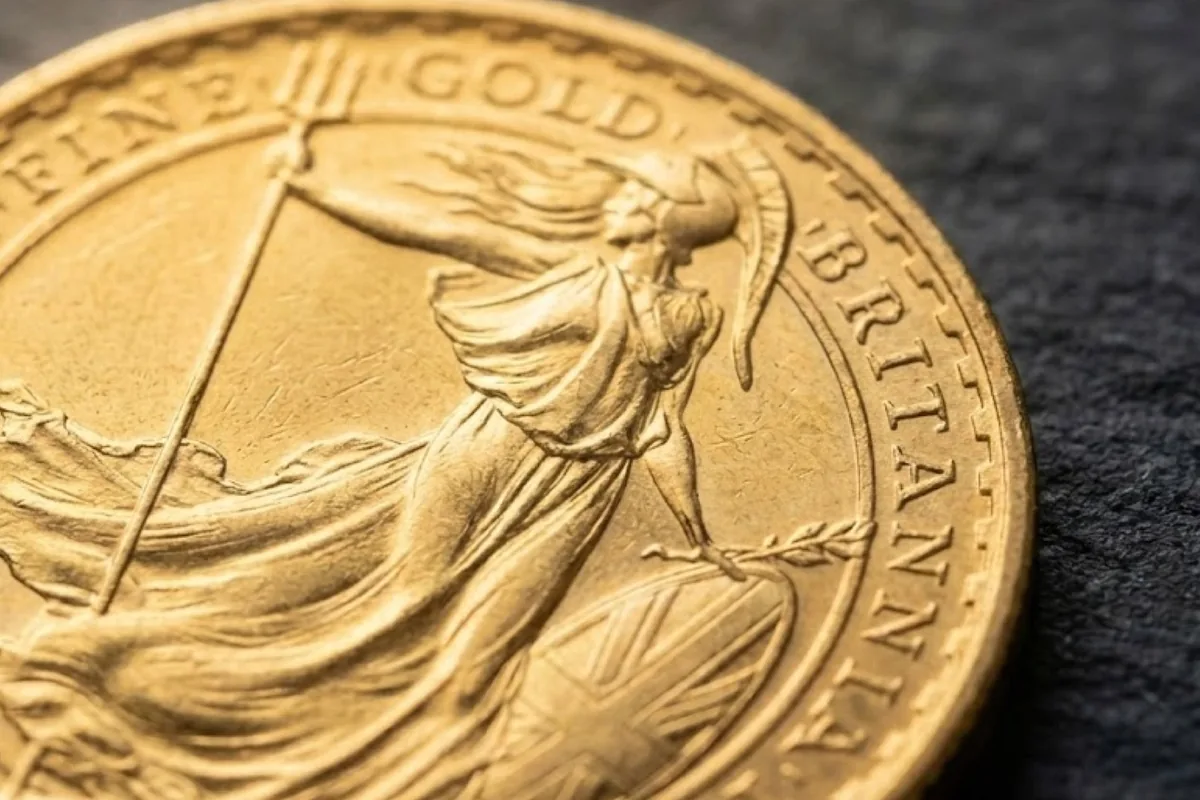
The three best-known non-British bullion coins, what each actually contains, and the one reason a UK buyer might still prefer a sovereign.

British gold carries a legally required set of marks. Three of them are compulsory, and together they tell you exactly what you are holding.
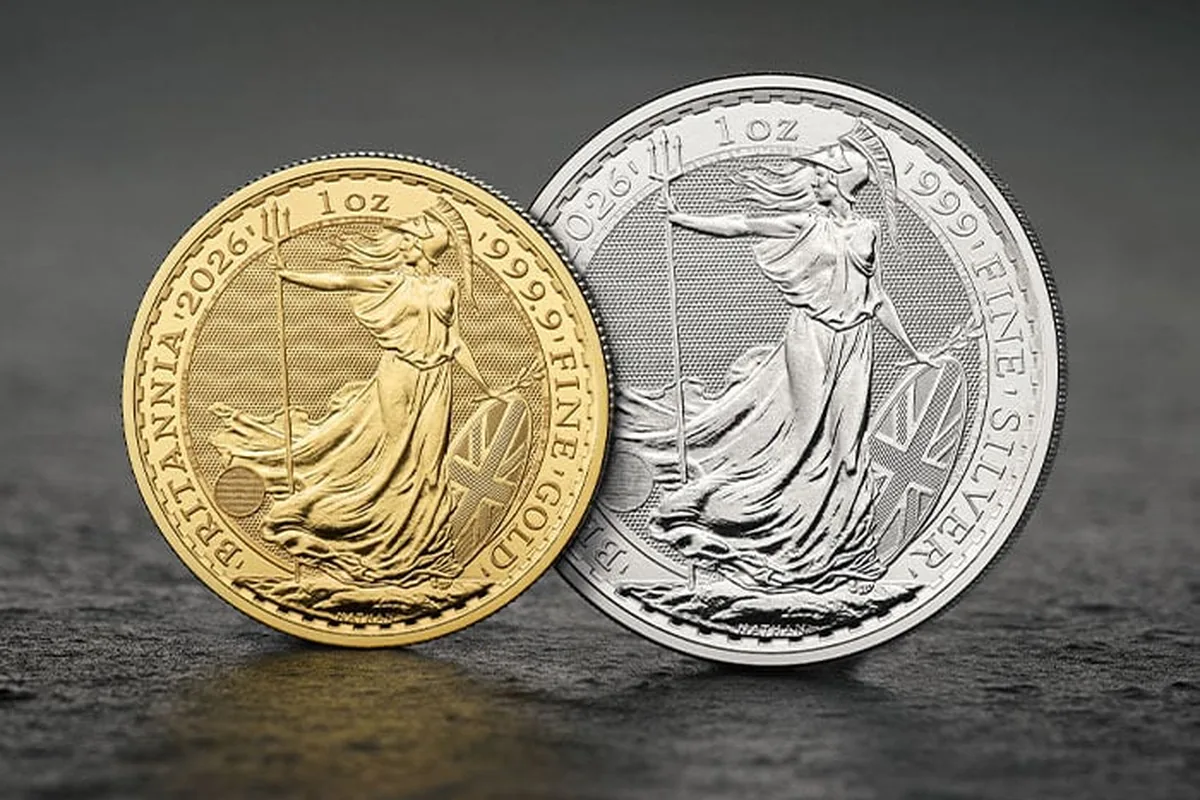
One troy ounce of 999.9 gold, £100 face value, and since 2021 the most heavily security-engineered bullion coin the Royal Mint produces.
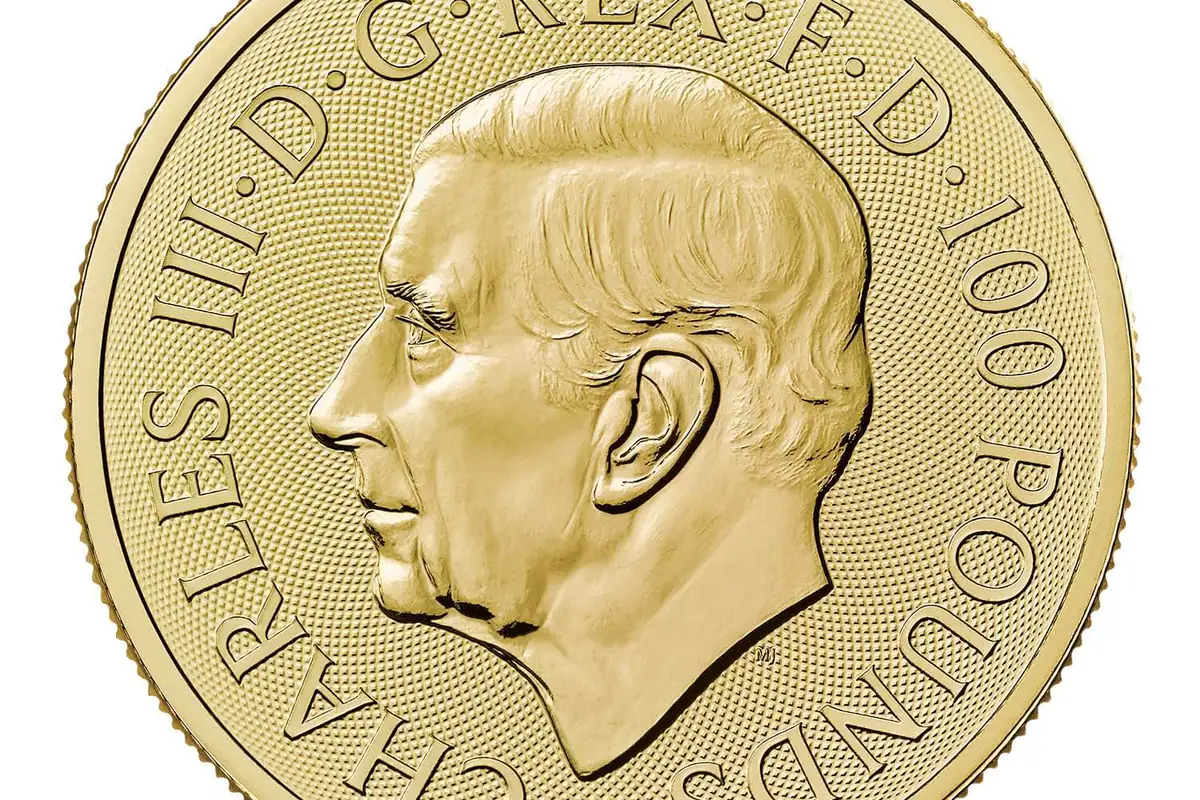
Britain’s most widely held gold coin: 7.32 grams of fine gold, legal tender since 1817, and struck on four continents.
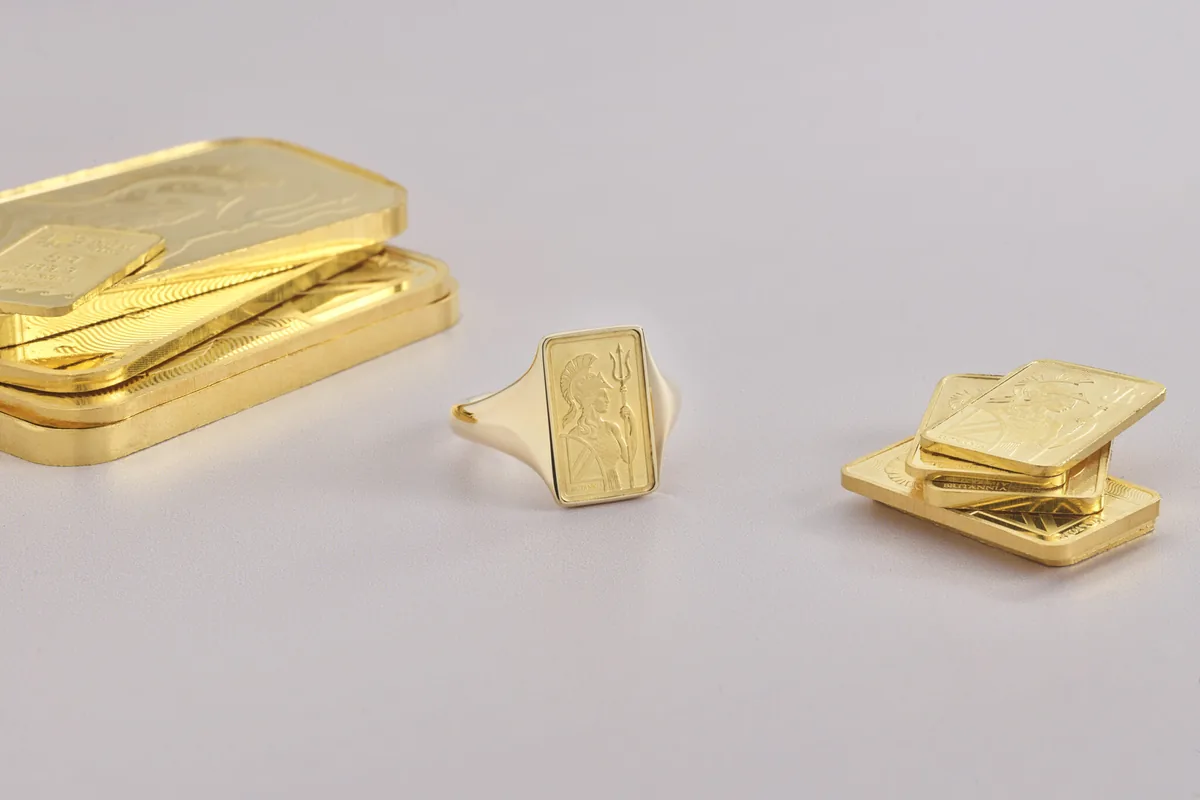
Five checks, in the order a professional does them — starting with the one that costs nothing and ending with the one that settles it.
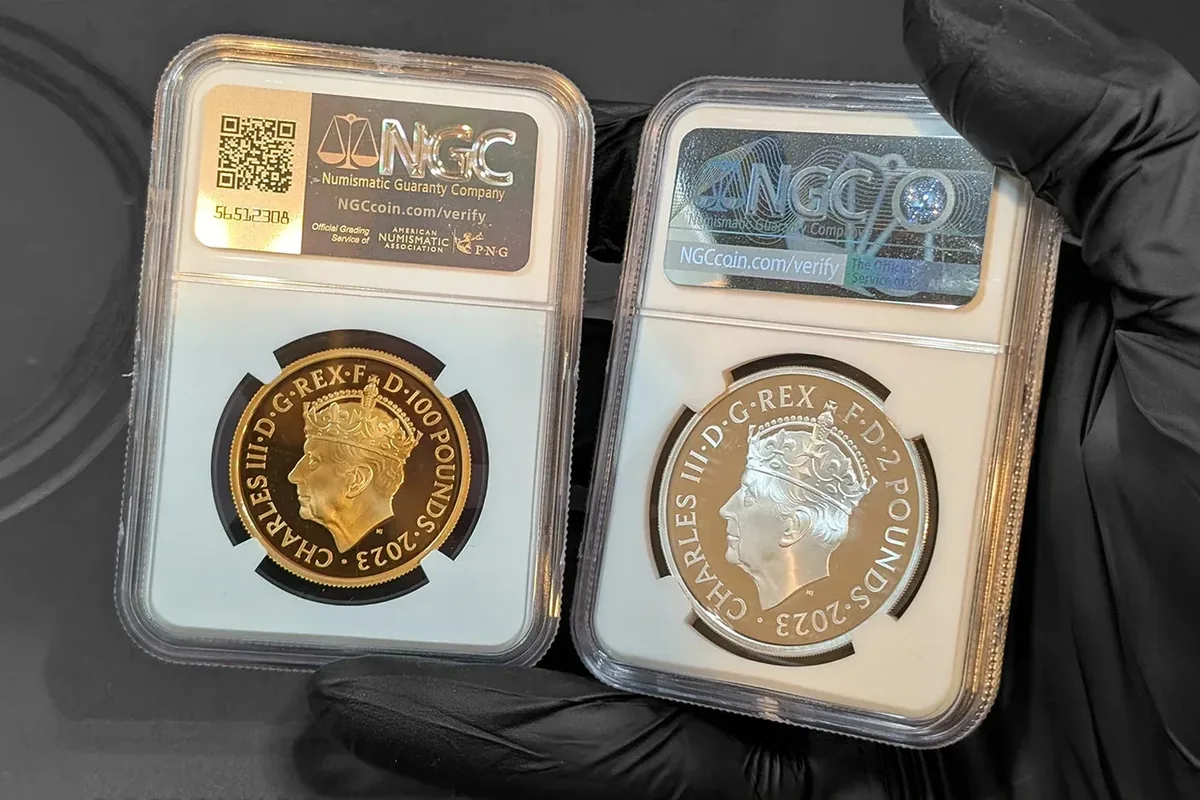
The frauds in this market are old and they repeat. Nearly all of them fail one of four simple checks.
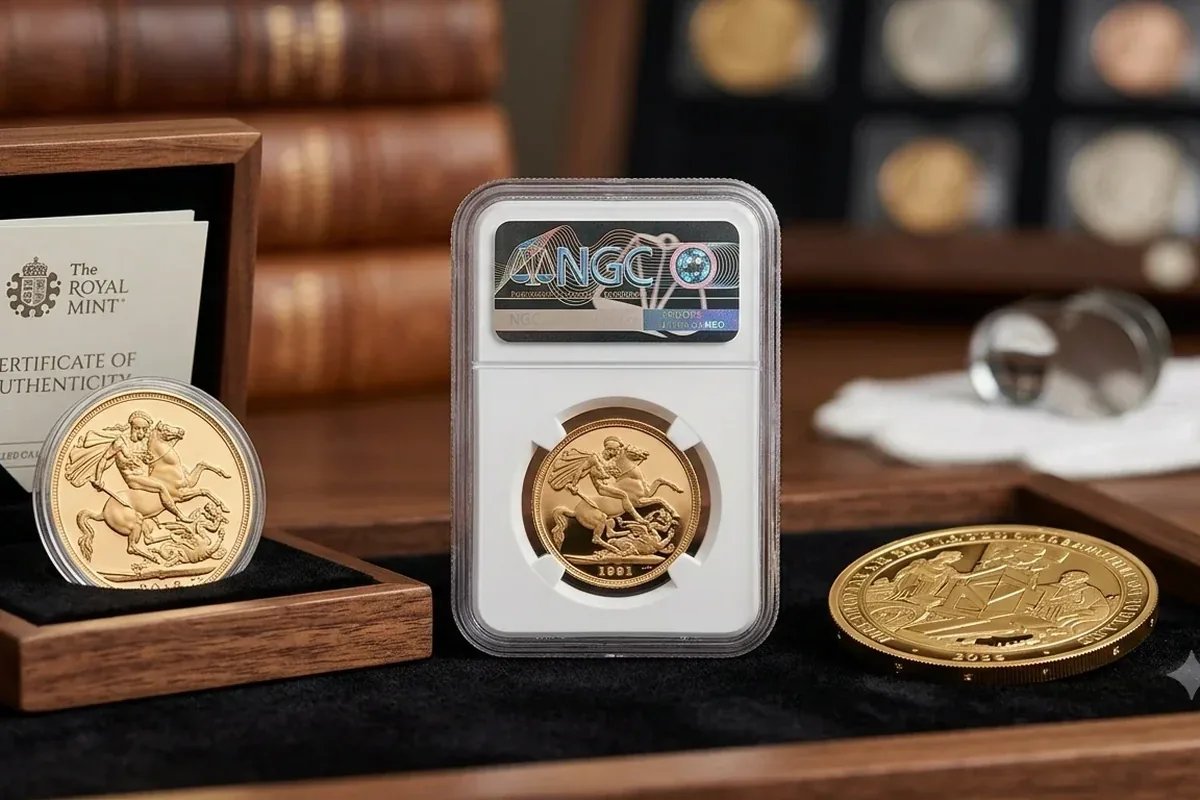
Four routes, and the spread between the best and worst offer for the same item is wide enough to be worth an afternoon.

Six steps, in order. The first two cost nothing and make most of the difference to what you are offered.
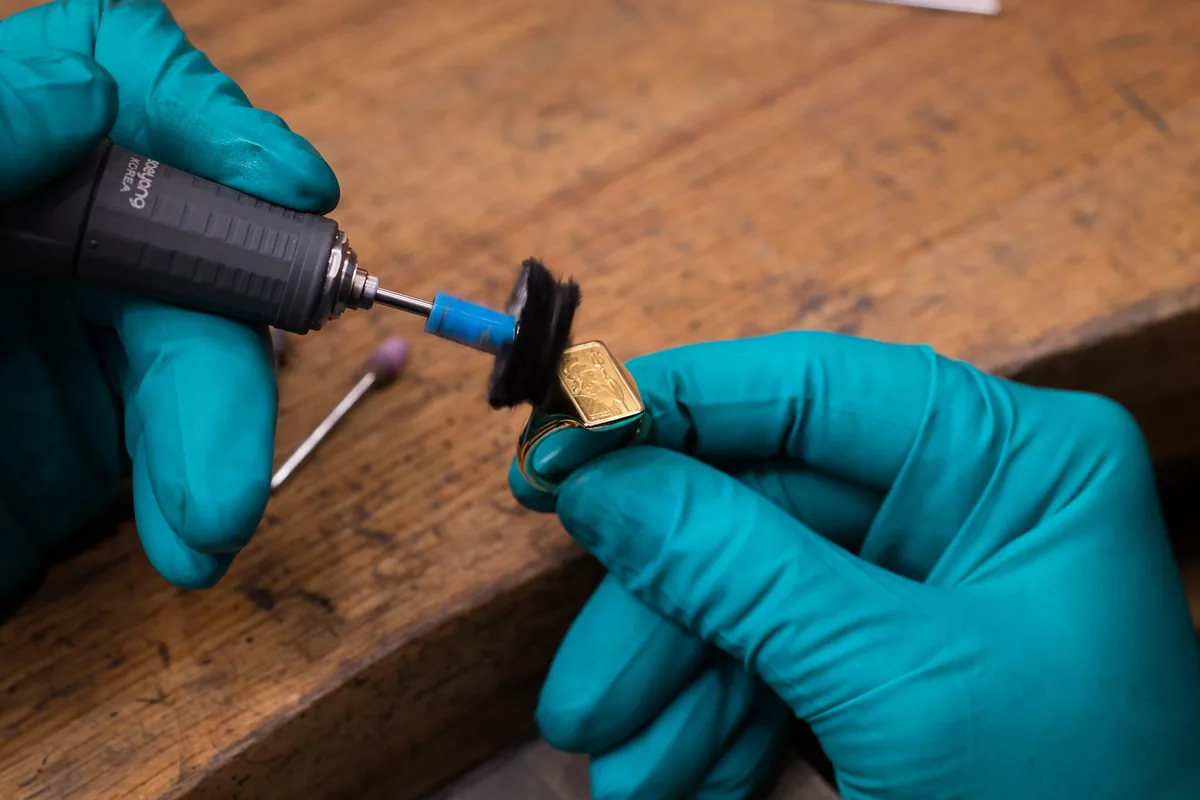
Three descriptions for an item that is mostly not gold. Only one of them contains enough to be worth recovering, and it is usually not worth recovering either.
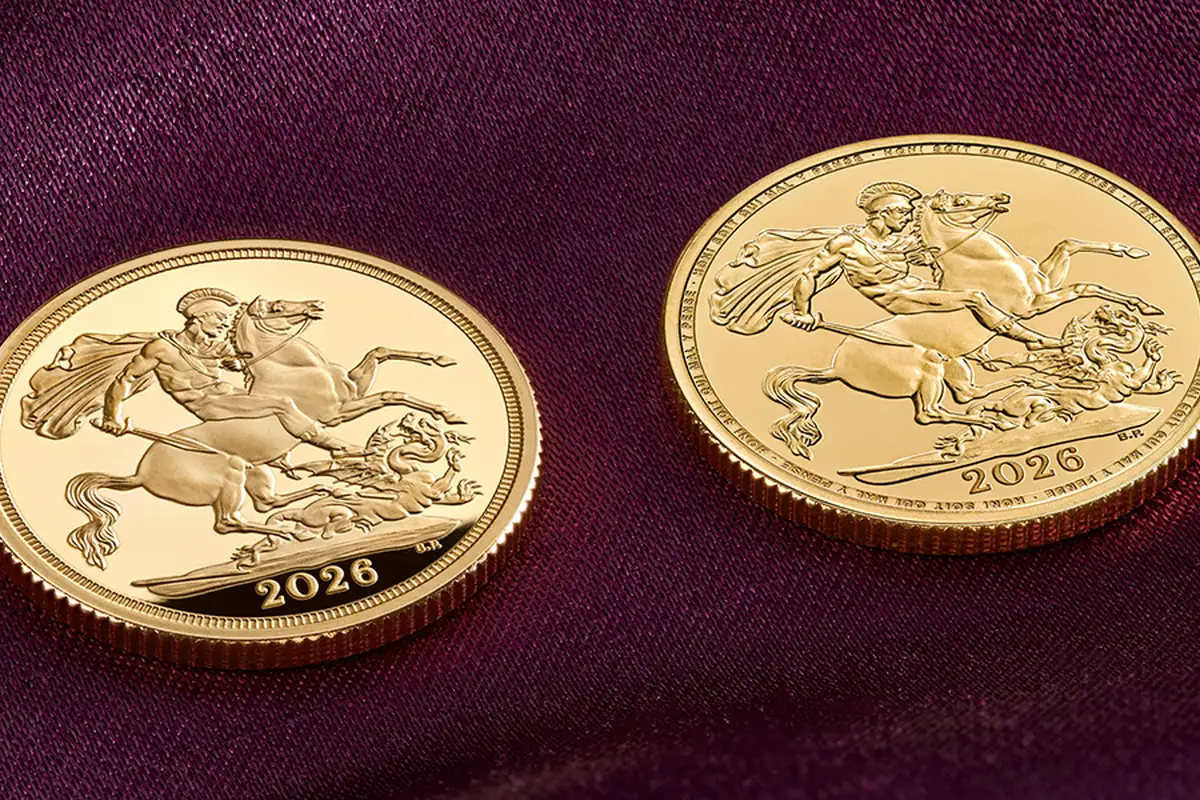
An 18 carat ring holds twice the gold of a 9 carat one of the same weight. It does not follow that it wears twice as well.
Three colours, one metal. At the same carat they contain exactly the same amount of gold, and they are worth exactly the same as scrap.
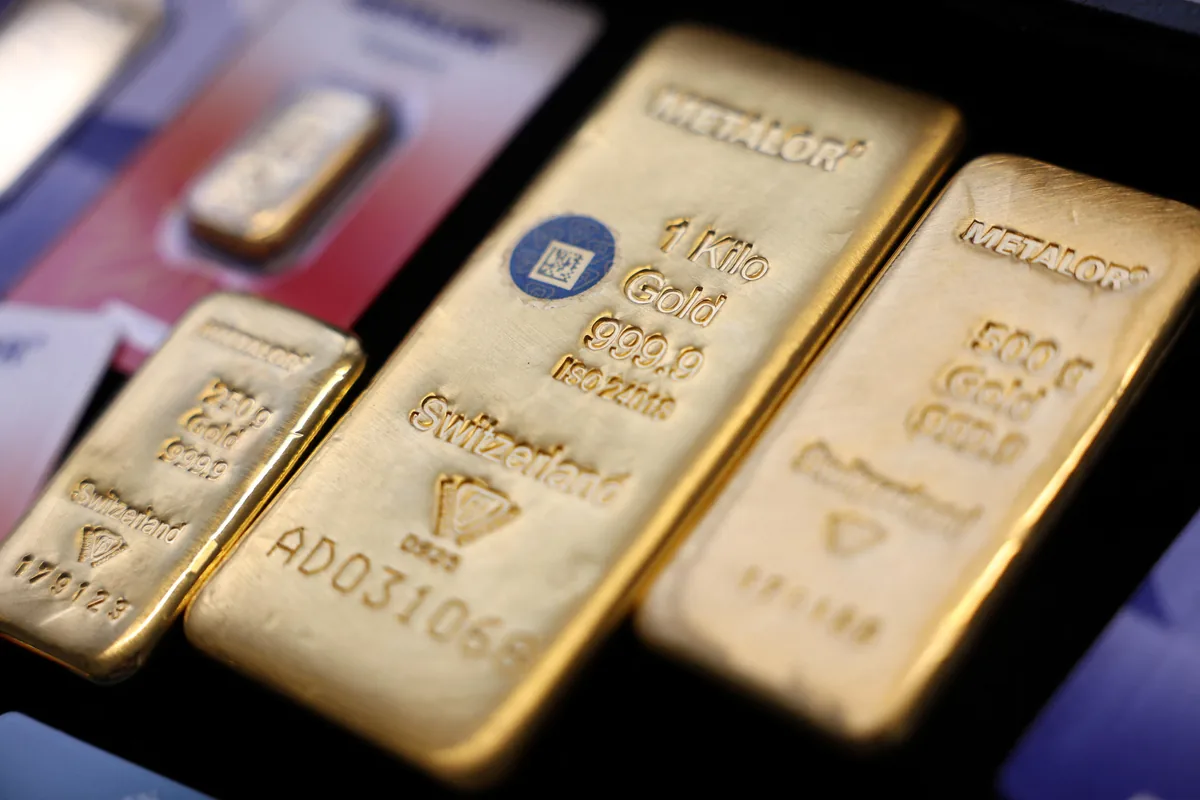
The document that travels with an investment bar, what should be on it, and what to do when it has gone missing.

Precious metal is sold in every shape imaginable. Most of those shapes cost more per gram and sell for less.
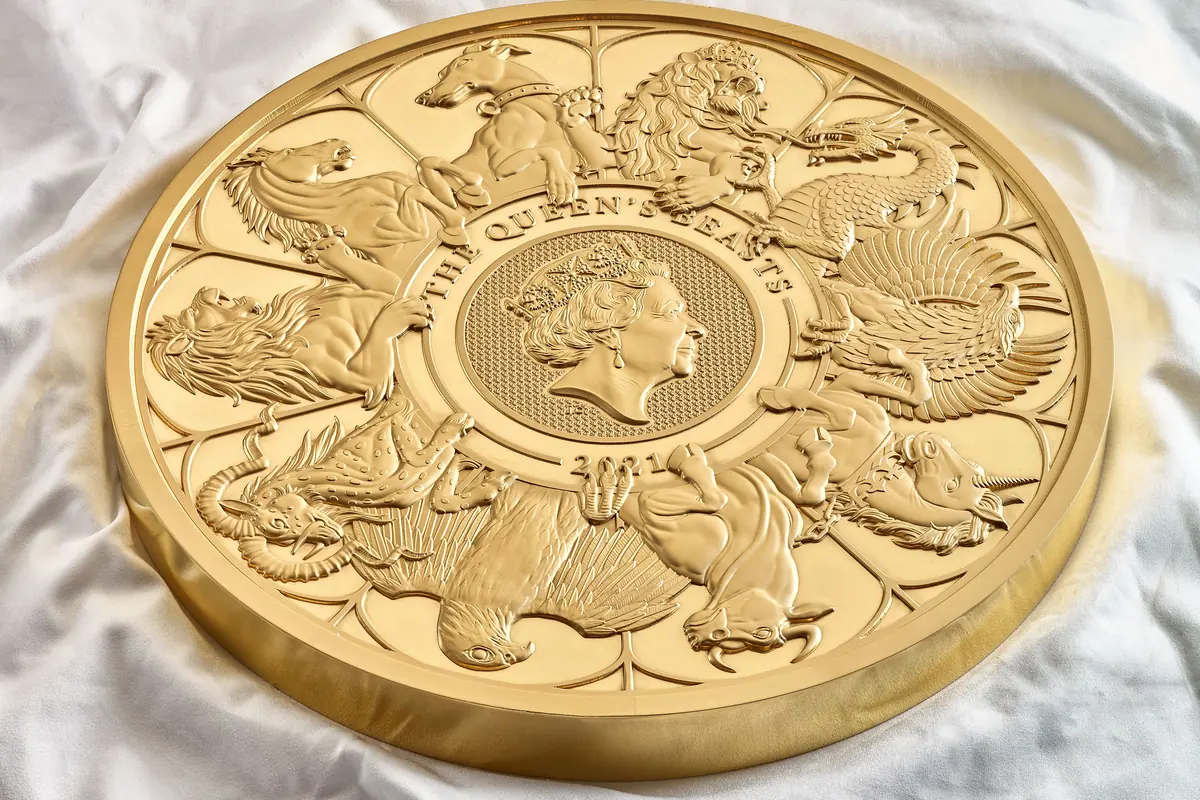
Fine gold is soft, fingerprints are acidic, and cleaning a coin is the fastest way to destroy any value it had beyond its metal.
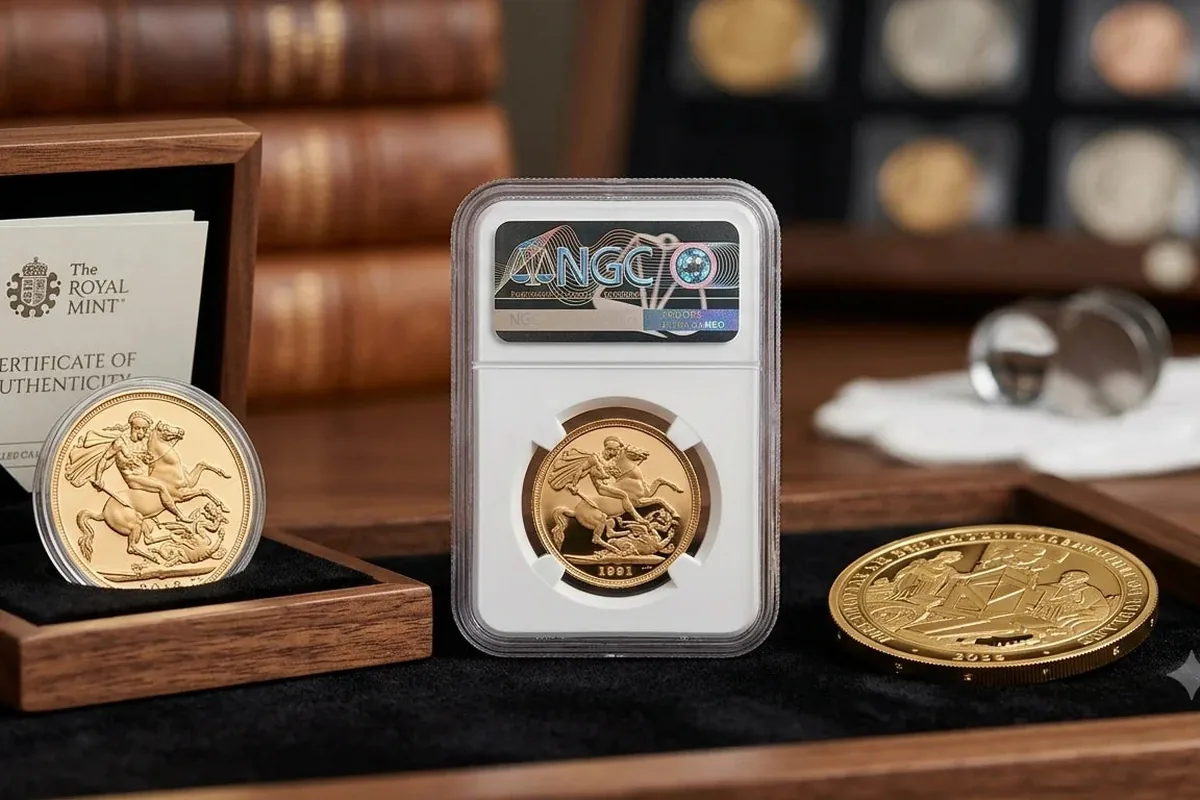
A bullion dealer will pay you for the gold in the holder and nothing for the grade on the label. That is not a swindle — it is the wrong shop.
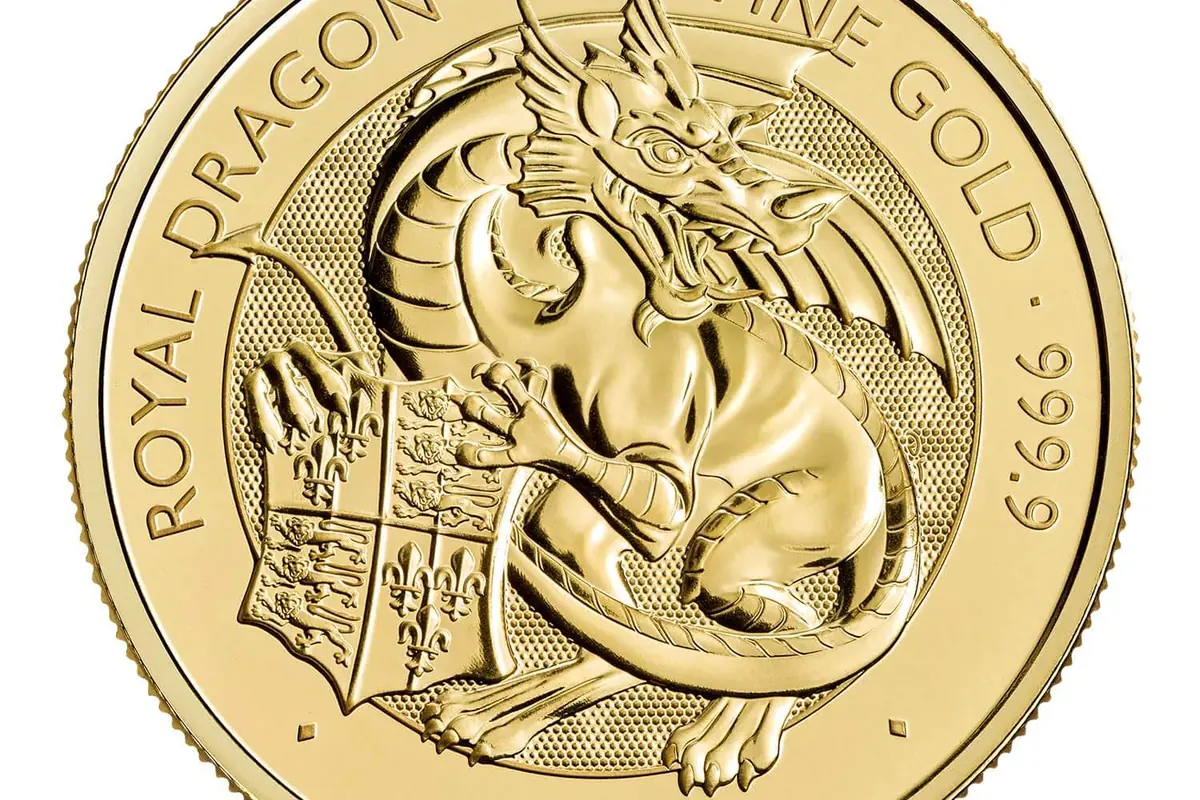
Two permanent bullion ranges, and a rolling programme of themed series that behave quite differently. Knowing which is which matters at resale.
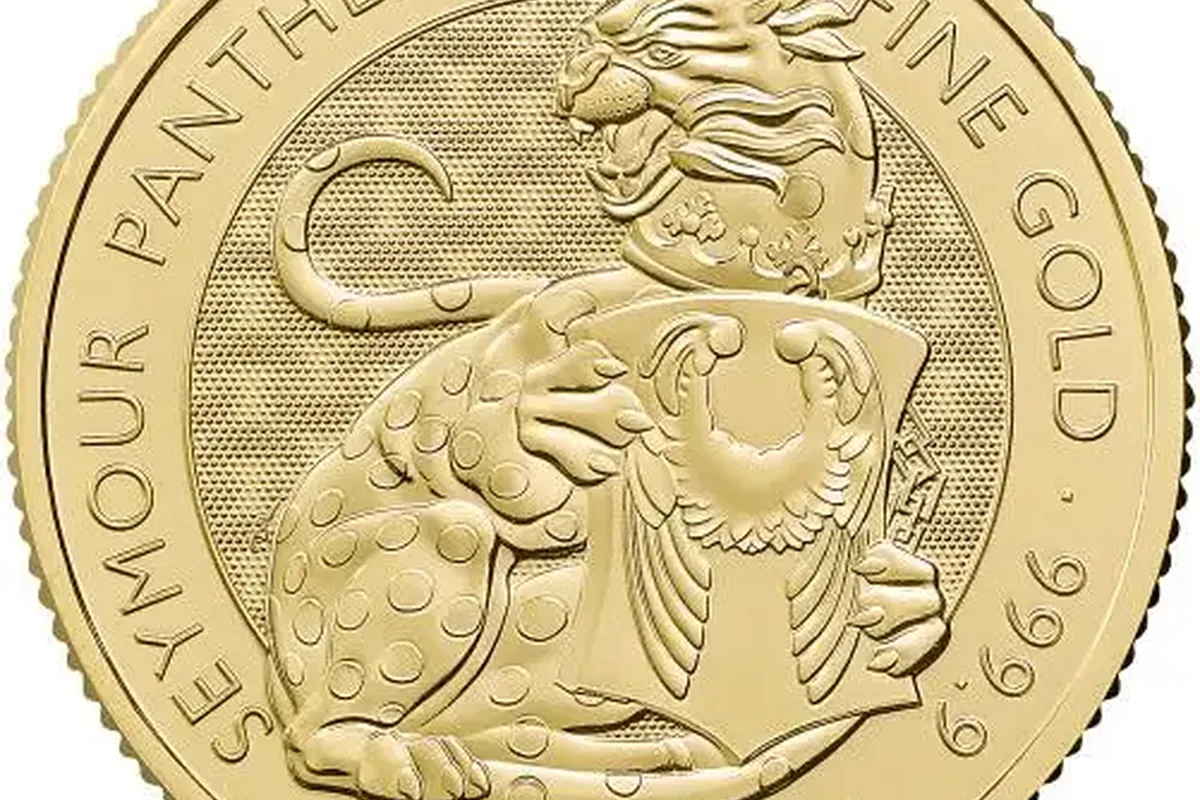
A twentieth of an ounce is the most expensive gold you can buy per gram. There are three good reasons to buy it anyway.
Fund flows as a read on investment demand, and the difference between holding a fund and holding metal.
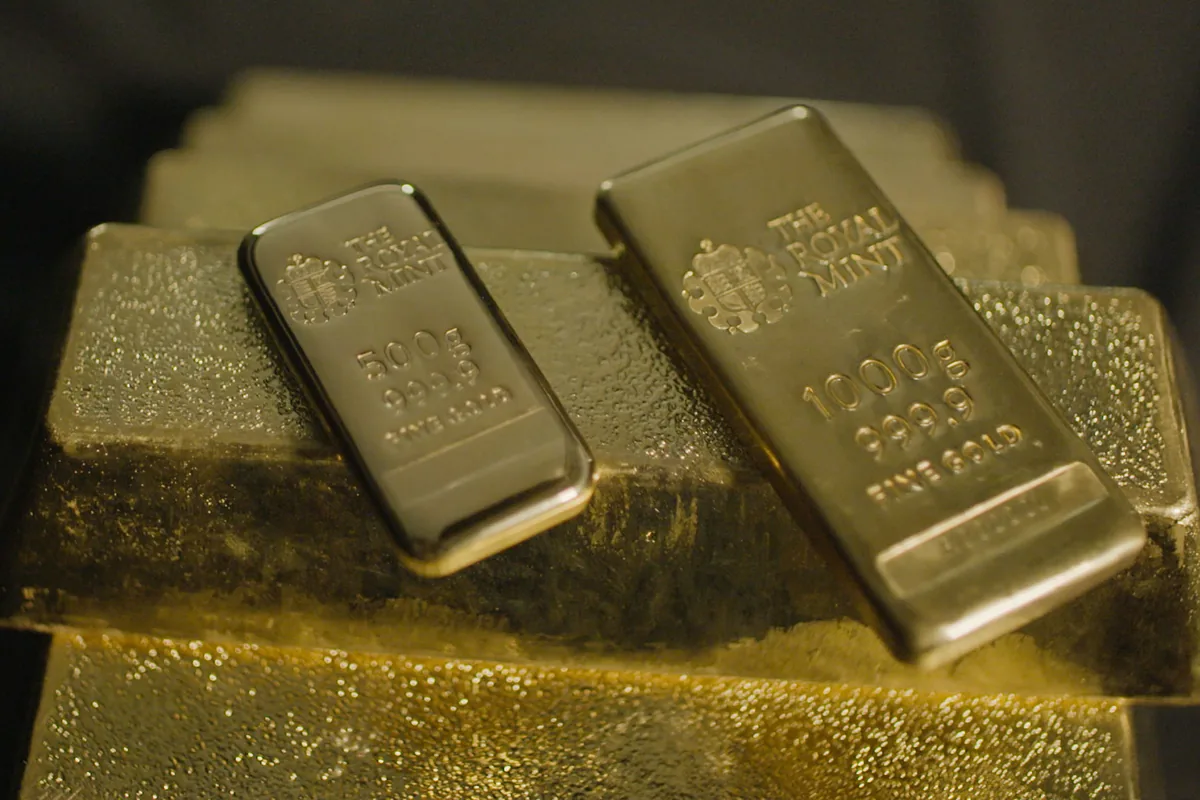
They track the same price and they are not the same asset. The differences are cost, access and what you are left holding.
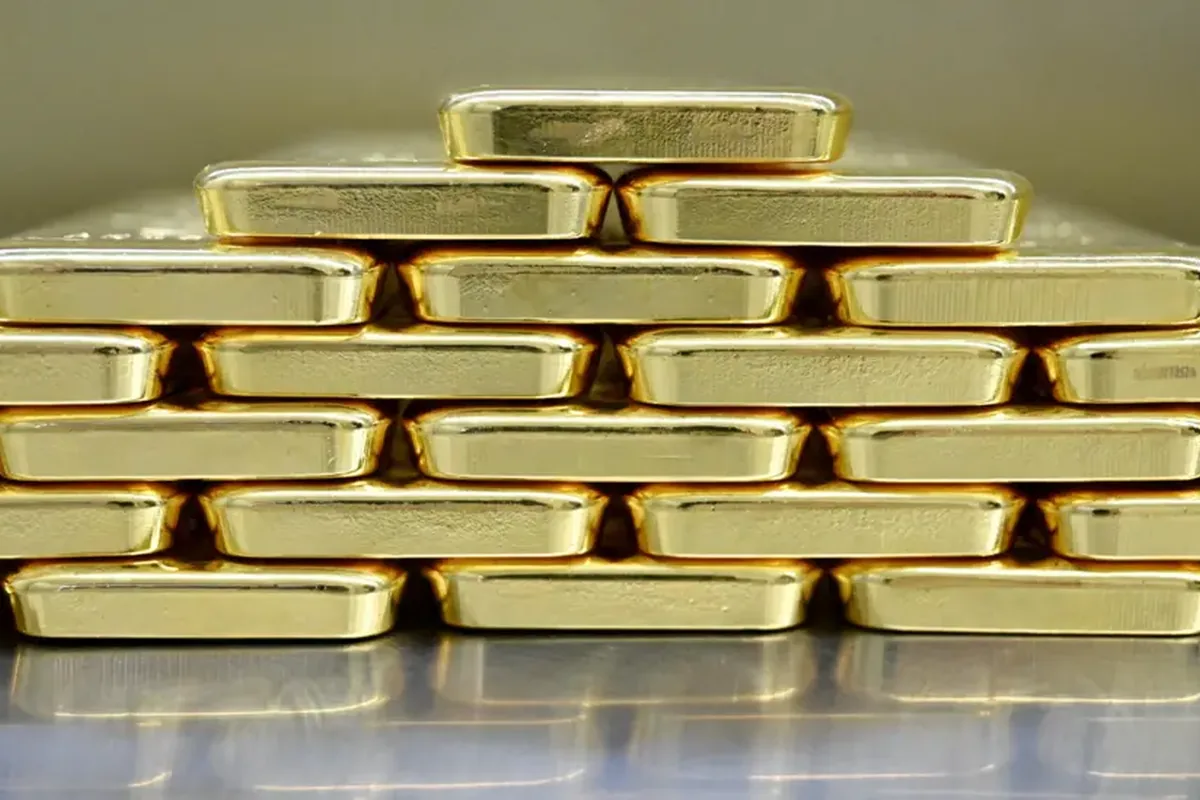
Units are created and destroyed against physical metal by a handful of authorised participants. That mechanism is what keeps the price tracking gold.
How gold behaves inside a portfolio, what it costs to hold, and the questions worth asking before buying any of it.
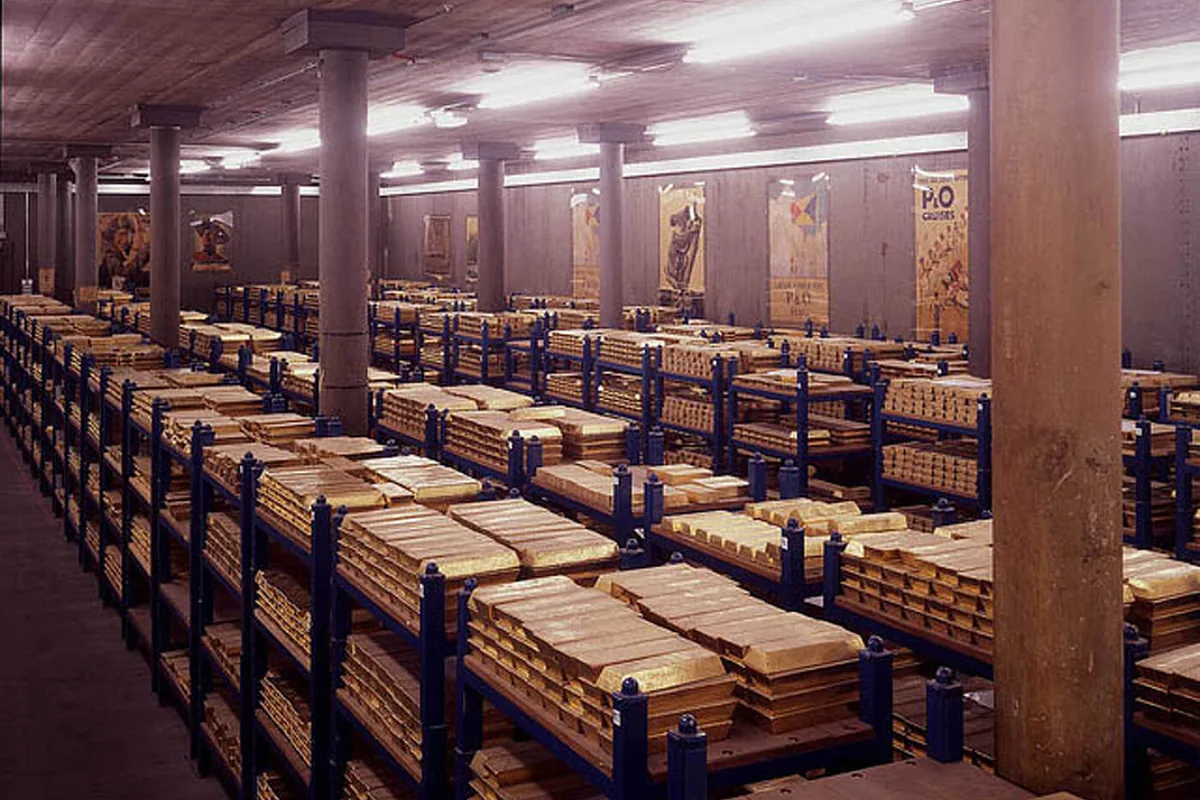
Three options, three different risks. The one most people pick by default is the one their insurer has the most to say about.
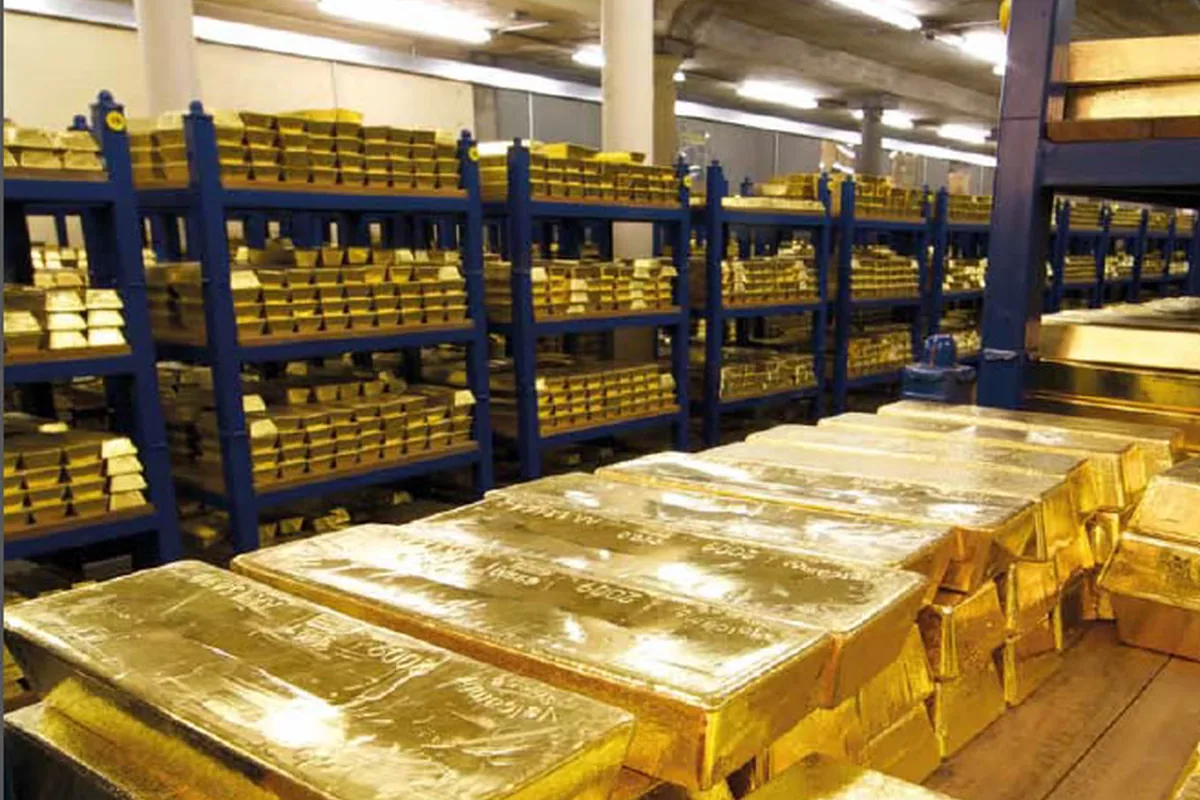
The difference is whether you own metal or own a claim on someone else’s metal. It only matters when it matters most.

Gold gets no special treatment on death. What it does get is a valuation problem, and a records problem that is easy to solve in advance and impossible to solve afterwards.
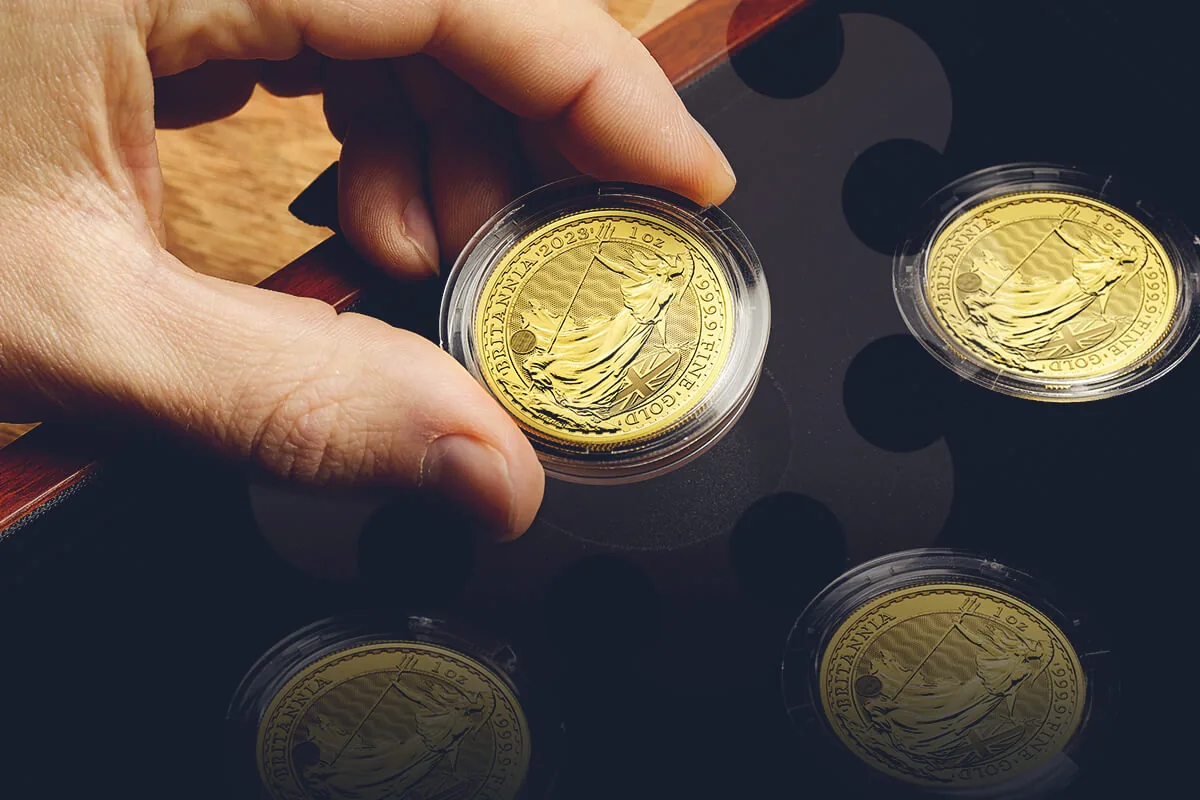
What to decide before you contact anyone, what to ask when you do, and what should be on the paperwork afterwards.
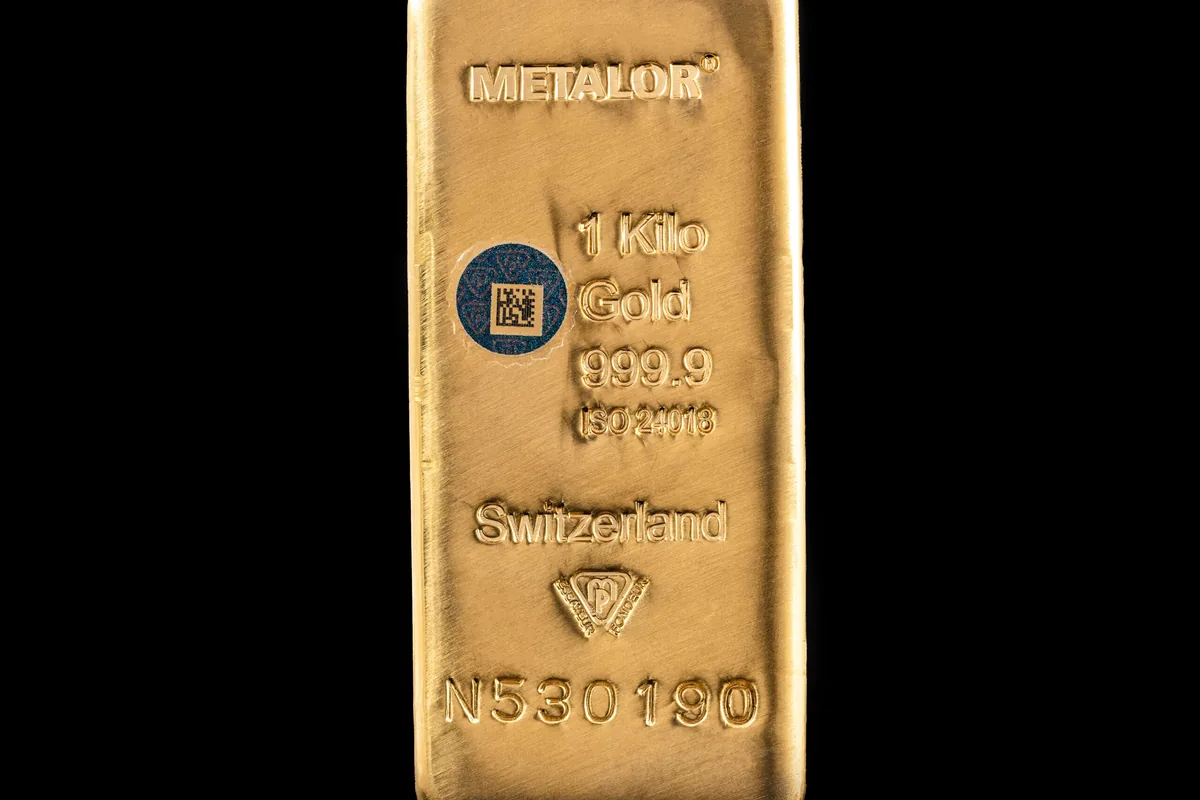
Physical gold can be held in a UK pension, but only in one form, only through the scheme, and only with a provider that offers it.
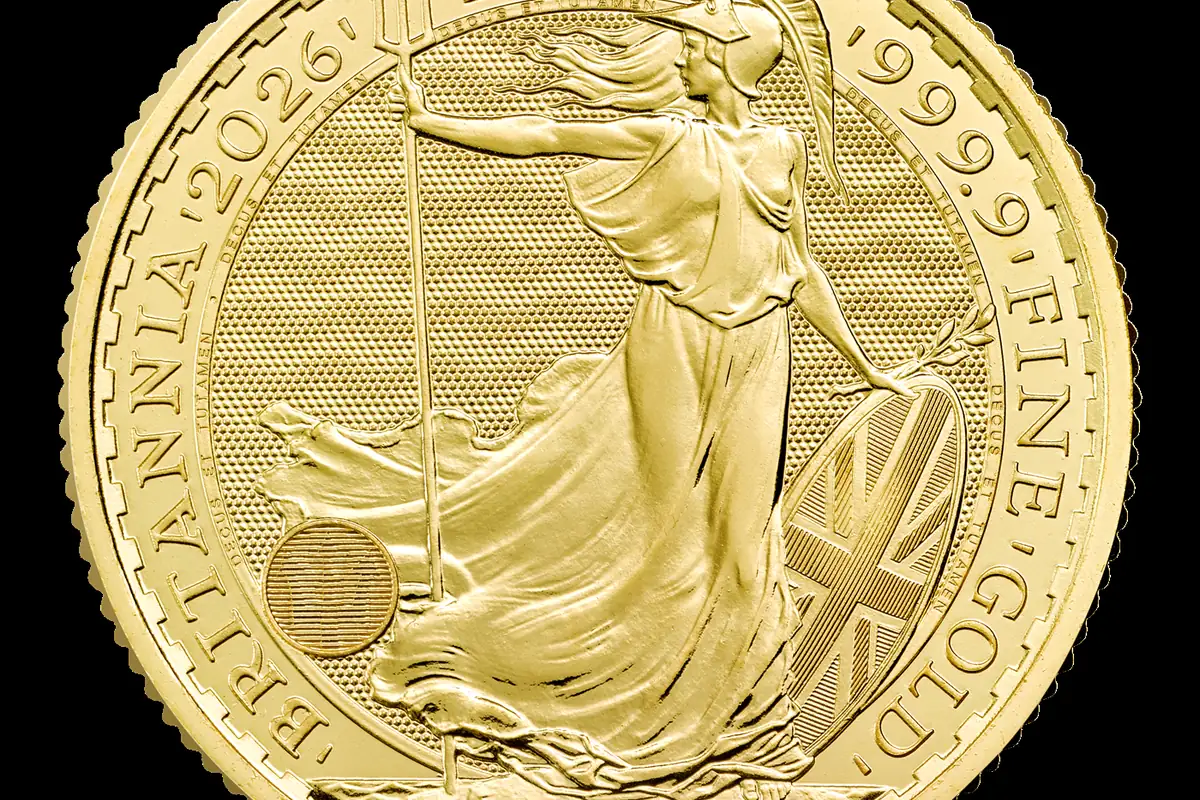
Investment gold is exempt. Jewellery is not, silver is not, and the definition of "investment gold" has conditions worth reading.
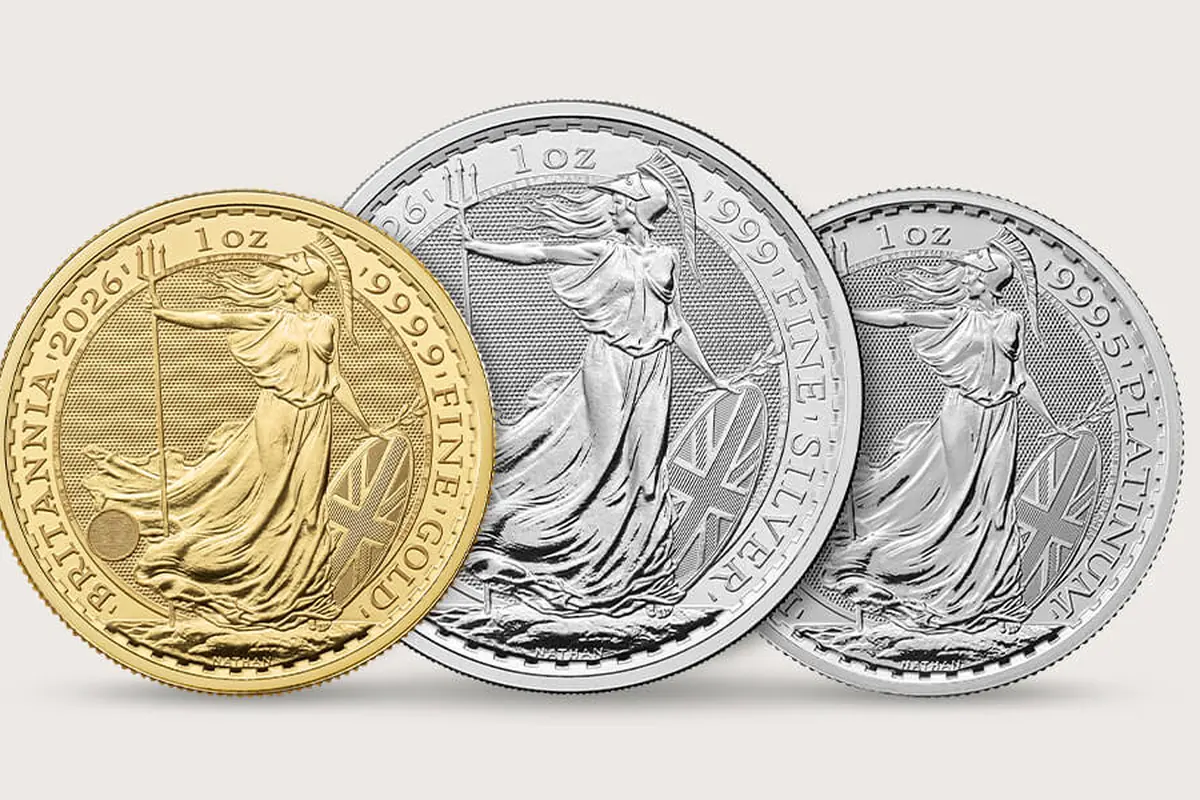
One distinction does most of the work: UK legal tender coins are outside the scope of CGT, and almost nothing else gold is.
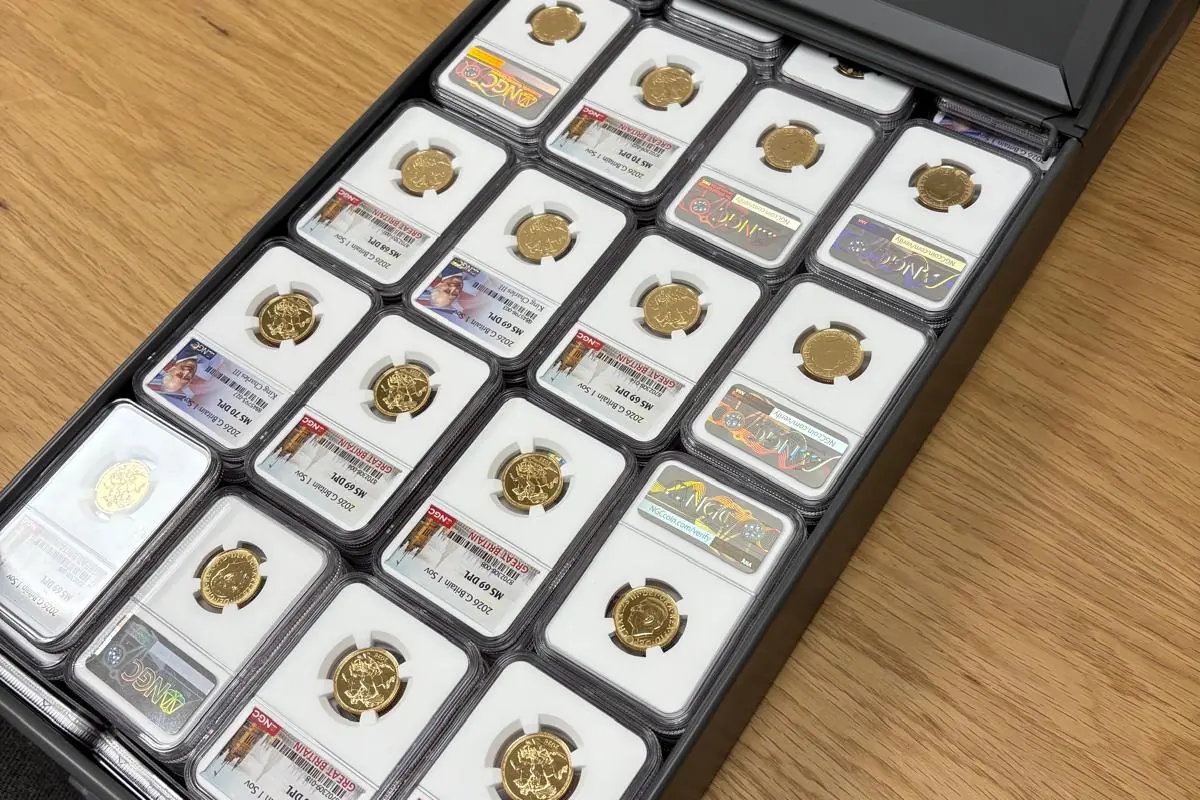
Standard contents cover almost never insures a bullion holding at its full value. Finding that out after a loss is the expensive order to do it in.
They are frequently described as the same trade. They share two properties and differ in most of the others that matter.
Buying a fixed amount at regular intervals removes the timing decision. In physical gold it also runs into a cost problem that does not exist with funds.
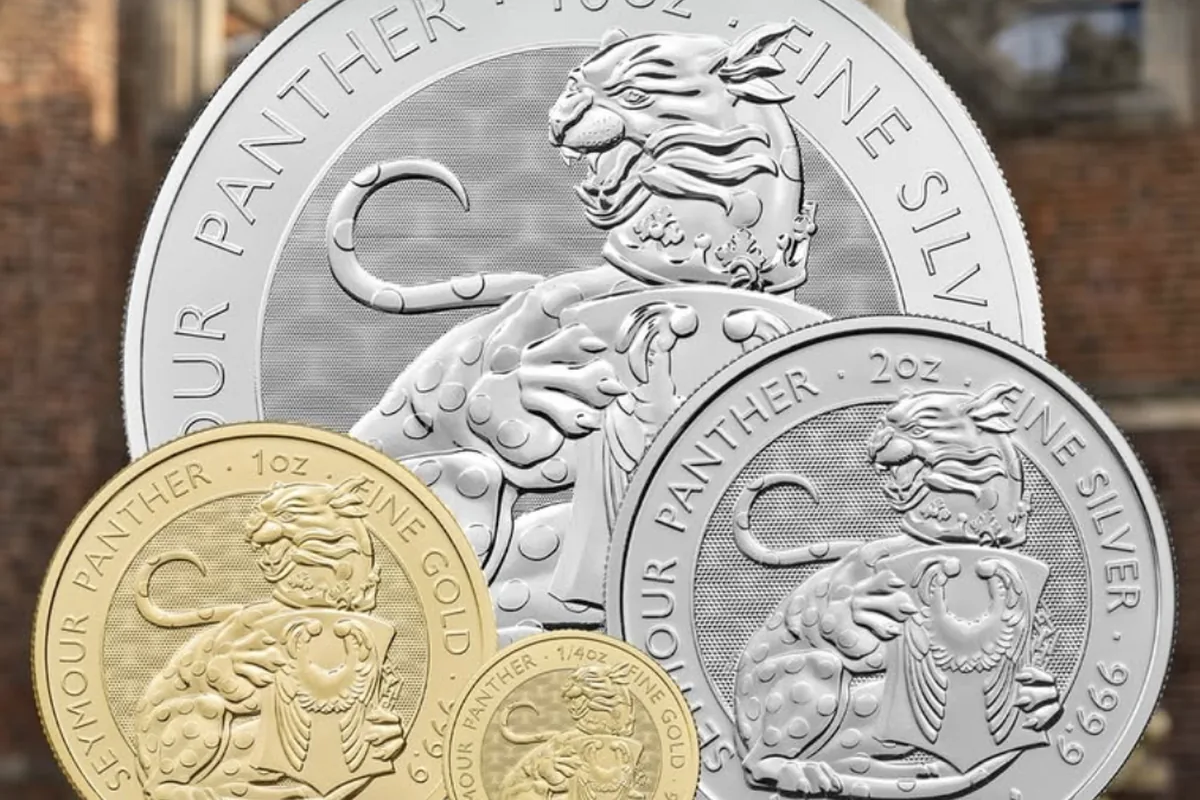
We are not going to give you a number. We will give you the four questions that determine it, and explain why the usual answers are quoted without their assumptions.
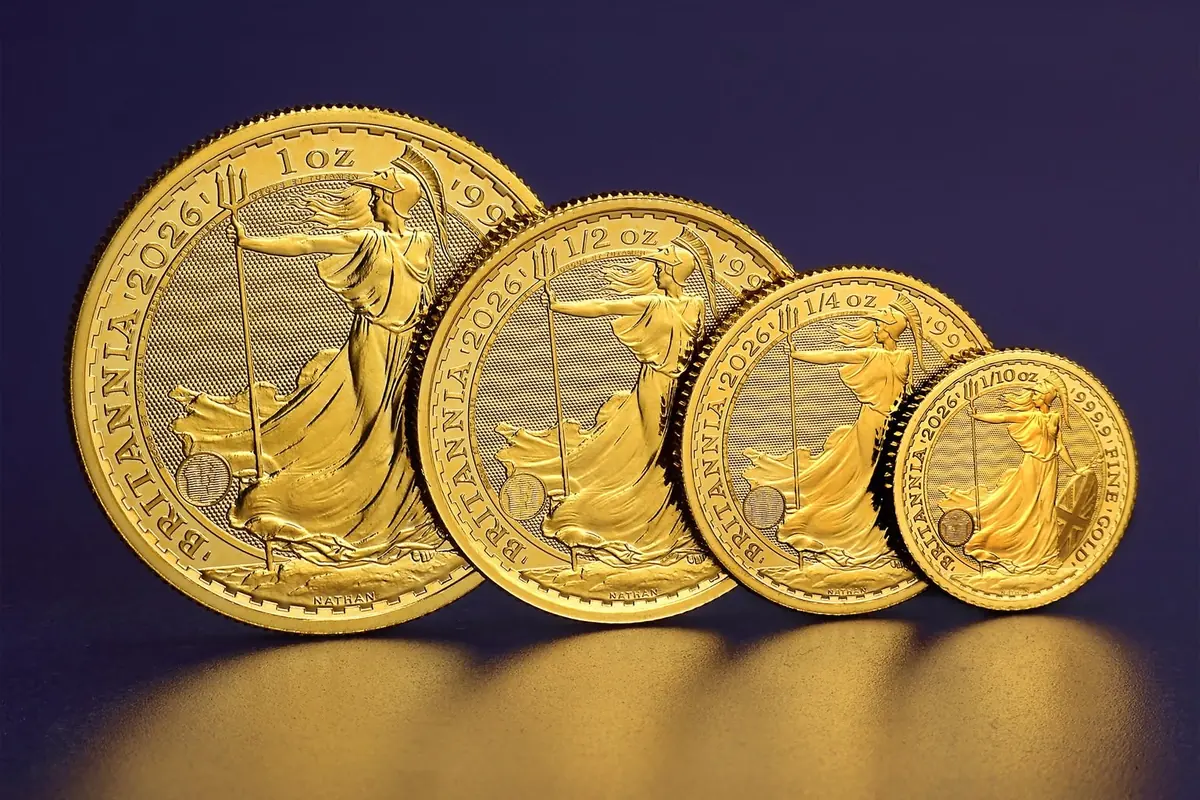
Gold pays nothing and costs something to hold. That is not a flaw in the asset — it is the mechanism by which interest rates move its price.
Our approach
There is no shortage of gold content that tells you gold is a safe haven, an inflation hedge and a store of value, and then invites you to buy some. Most of it is marketing with the sales pitch removed.
These explainers do something narrower and, we think, more useful: they describe the mechanisms by which the price of gold actually moves, including the cases where the popular explanation is wrong. They will tell you when gold has failed to do what it is supposed to do, because that is the part you need in order to judge anything else.
Nothing here is a recommendation and nothing here accounts for your circumstances. If you want advice, speak to someone authorised to give it.