

Gold ETFs versus physical gold
They track the same price and they are not the same asset. The differences are cost, access and what you are left holding.
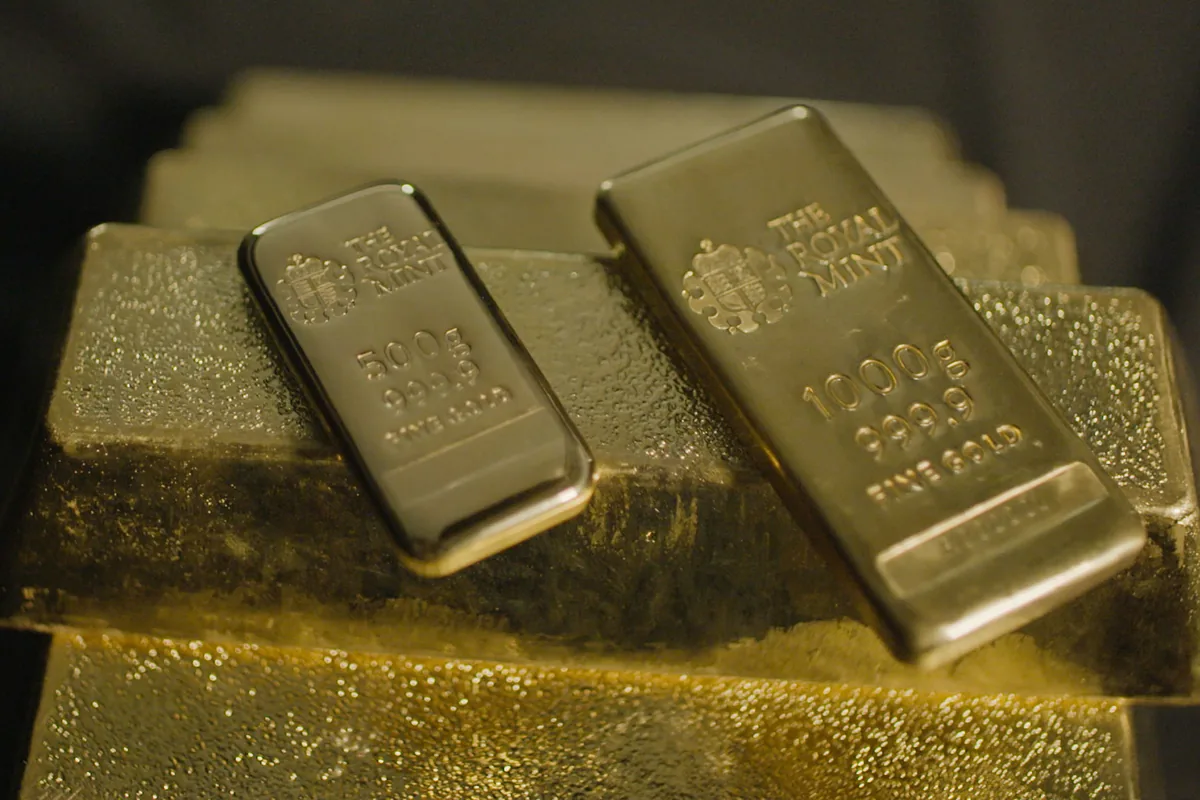
A physically backed gold ETF or ETC holds bullion in a vault and issues units against it. A unit tracks the gold price less the fund’s ongoing charge. Over a long holding period that charge compounds against you; over a short one it is trivial.
| ETF or ETC | Physical metal | |
|---|---|---|
| Entry cost | Dealing commission and spread | Premium over spot |
| Ongoing cost | Annual management charge | Storage and insurance, or nothing if held at home |
| Exit | Sell in seconds in market hours | Find a buyer, agree a price, deliver |
| Divisibility | Essentially unlimited | Limited by unit size |
| Counterparty exposure | Issuer, custodian, broker | None once in your possession |
The cost crossover
Physical metal front-loads its cost into the premium and then costs little to hold. A fund charges little to enter and then takes a slice every year. There is a holding period at which the two cross over, and it depends on the premium you paid and the charge you are paying.
Work it out with your own two numbers rather than from a rule of thumb: a premium of a few percent against an annual charge of a fraction of a percent takes years to catch up, and a high premium on a small bar may never be caught.
The question underneath
If the reason for holding gold is portfolio diversification, a fund does that efficiently and cheaply. If the reason is to hold an asset outside the financial system, a fund is inside the financial system — it has an issuer, a custodian, a broker and a settlement system, and a claim on a fund is not a bar in your hand.
Both are legitimate reasons. They point at different products, and the mistake is buying one while believing you have bought the other.
About this byline
Gold Price Report Desk
Markets desk
The Gold Price Report desk is the collective byline for work produced by the editorial team. We use it for market reports, data explainers and anything assembled from our own price series rather than reported by one person. Individual journalists are credited by name on their own work, with a biography and a record of what they cover. We would rather carry one honest desk byline than invent reporters who do not exist.
The daily report
Stay ahead of the gold market
Breaking gold news, market analysis and price intelligence, written here and sent to your inbox when it launches.
Not open yet
Signups are not open. We are not collecting addresses until there is a newsletter to send, so there is nothing to type here yet.
Related coverage
Allocated or unallocated: what you actually own
The difference is whether you own metal or own a claim on someone else’s metal. It only matters when it matters most.
Where to store gold
Three options, three different risks. The one most people pick by default is the one their insurer has the most to say about.
How a gold ETF works
Units are created and destroyed against physical metal by a handful of authorised participants. That mechanism is what keeps the price tracking gold.