

Specimen article
This is placeholder copy, written to demonstrate the article template and the house style. It reports no dated event and quotes no figure that is not drawn live from the price layer.
Why central-bank buying matters more than fund flows
One of these buyers reads the price before acting. The other does not. That difference is most of the story in gold since 2022.
Published
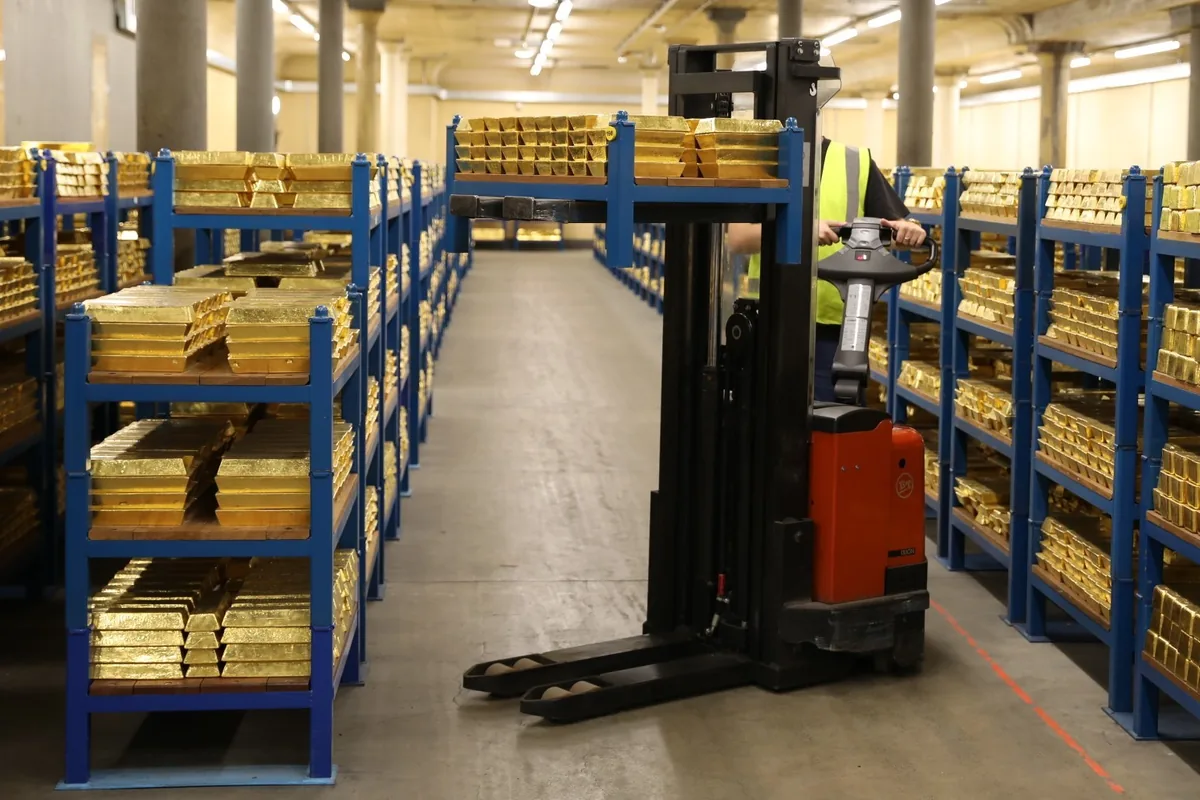
Gold demand is usually reported as a single total, which obscures the only distinction that matters for the price: whether a buyer is price-sensitive.
Exchange-traded funds are maximally price-sensitive. Flows follow performance, which means they amplify moves in both directions and reverse quickly. They are a useful read on investor sentiment and a poor guide to direction, because by the time the flow data publishes, the move that caused it has happened.
Reserve managers at central banks operate on a different basis altogether. Allocation decisions are made at committee level, often years in advance, against objectives — diversification away from a single reserve currency, insulation from sanctions risk, political cover — that have nothing to do with this quarter's price. A reserve manager with a mandate to raise a gold allocation buys into strength.
The practical implication for a reader is about which data to follow. Monthly official-sector reporting to the IMF is slow and dull and tells you about the structure of the market. Daily ETF flows are fast and exciting and tell you what already happened.
Sources and further reading
- International Financial Statistics — official reserve assetsInternational Monetary Fund (opens in a new tab)
- Gold Demand TrendsWorld Gold Council (opens in a new tab)
We link to primary sources wherever one exists. If you believe something here is wrong, our corrections policy sets out how we handle it.
About this byline
Gold Price Report Desk
Markets desk
The Gold Price Report desk is the collective byline for work produced by the editorial team. We use it for market reports, data explainers and anything assembled from our own price series rather than reported by one person. Individual journalists are credited by name on their own work, with a biography and a record of what they cover. We would rather carry one honest desk byline than invent reporters who do not exist.
The daily report
Stay ahead of the gold market
Breaking gold news, market analysis and price intelligence, written here and sent to your inbox when it launches.
Not open yet
Signups are not open. We are not collecting addresses until there is a newsletter to send, so there is nothing to type here yet.
Related coverage
What actually moves the gold price
Four forces set the price of gold, and they do not carry equal weight. Here is what each one does, in the order it matters.
Central bank gold reserves
Official-sector holdings are the slowest-moving and least price-sensitive demand in the market. Here is how they are reported, and why the data lags.
Bretton Woods and 1971
For a quarter of a century the dollar was convertible into gold at thirty-five dollars an ounce. On 15 August 1971 that stopped, and the modern gold price began.